
Monitoring real working farms that share the environment
ALTAR collects environmental data to discover which farming practices lead to excellence in productivity and ecosystem sustainability outcomes.
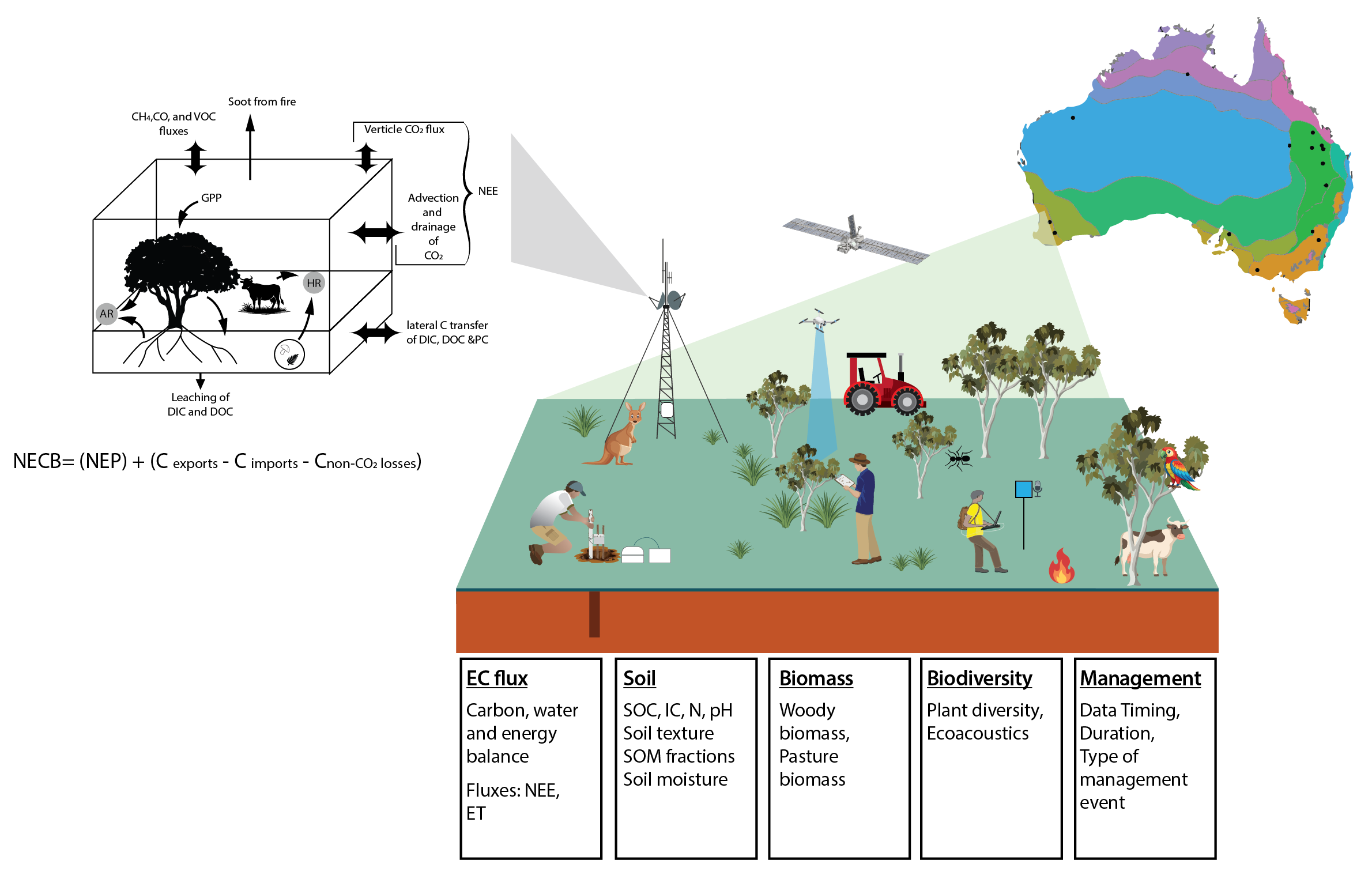
The ALTAR network is designed to provide independent, high-resolution, long-term data on carbon and water dynamics in Australian farming systems. By monitoring real working farms, ALTAR aims to uncover the potential of managed systems to balance productivity with environmental resilience.
ALTAR monitoring network
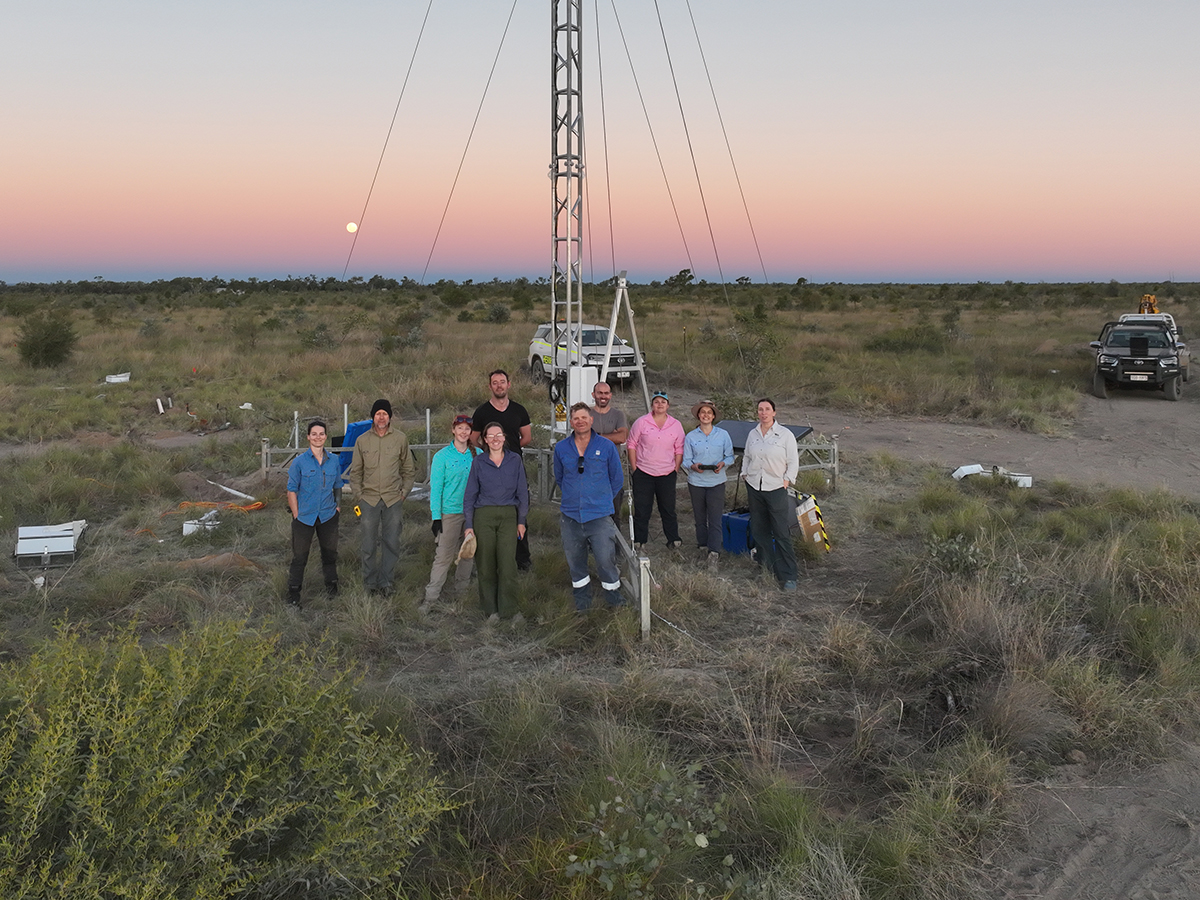
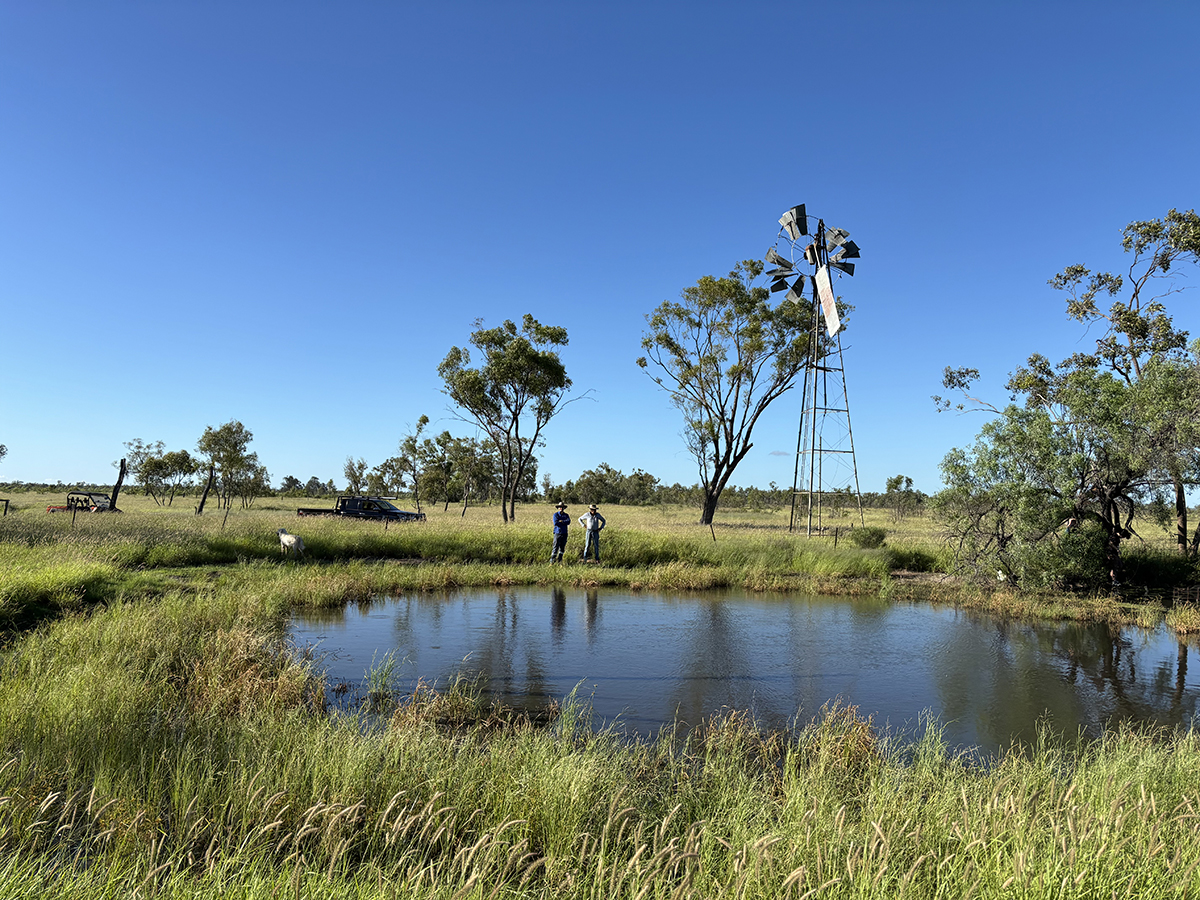
TERN's Ecosystem Research Infrastructure is supporting researchers at the Sustainable Agroecosystems research group (QUT), who have established monitoring sites on real working farms as part of the ALTAR network.
These farms have a range of site histories, management systems, geology, elevation, climate and vegetation types.
ALTAR sites monitor and track environmental data, and provide it to stakeholders.
Independent data for resilient farming
ALTAR is a national research infrastructure initiative, providing independent, open-access data to support better decisions in Australian agriculture — and to help navigate the path towards more resilient and sustainable farming.
Evidence from real farms
As interest grows in climate-smart and regenerative agriculture, there remains a lack of solid, long-term evidence on what truly improves environmental outcomes in real-world farming systems. ALTAR fills this gap by generating independent, field-based data that reflects how farming practices perform over time.
Practical, accessible insights
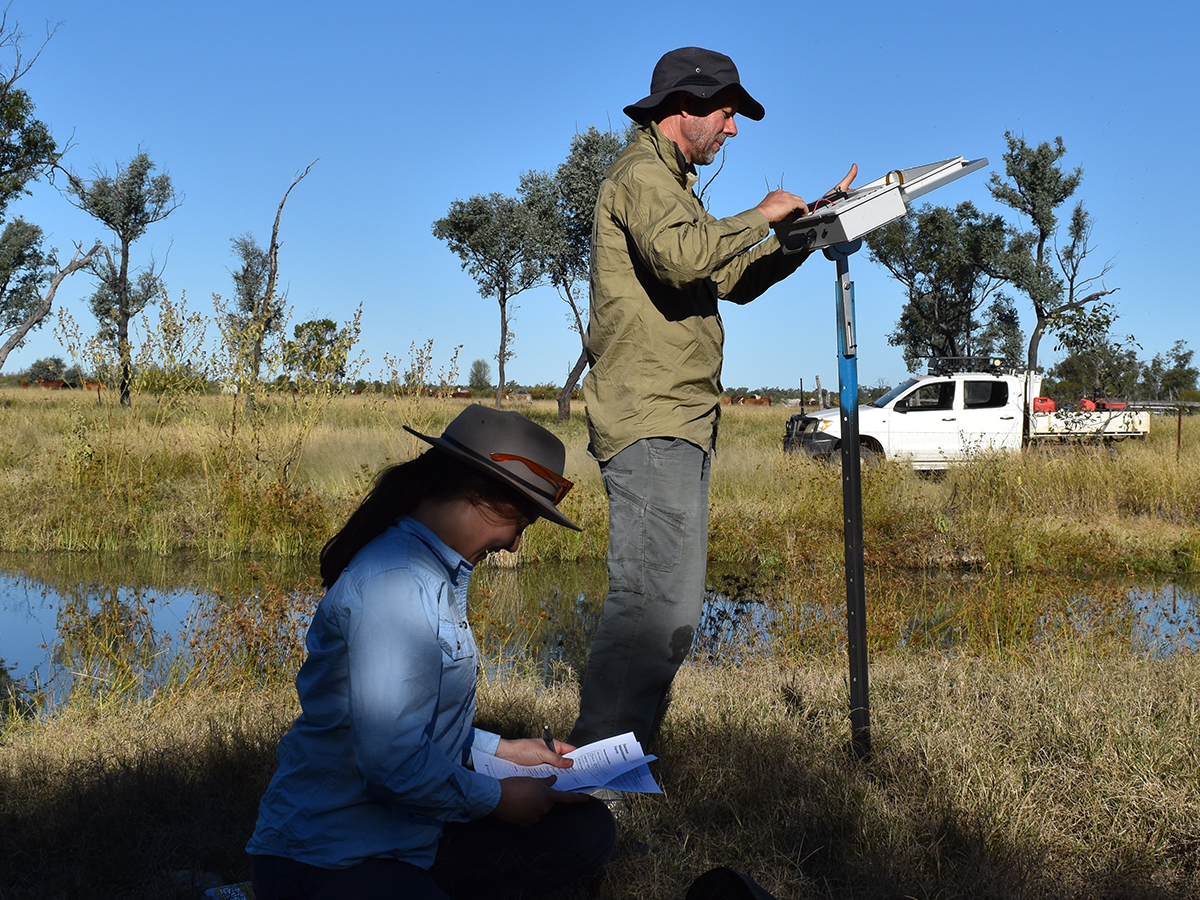
ALTAR is committed to making data practical and accessible. By translating complex datasets into clear, actionable insights, ALTAR empowers farmers to make informed decisions about on-farm management.
Beyond the farm gate
ALTAR helps define reasonable bounds for carbon farming and other sustainability initiatives. With transparent, independent data, farmers can engage in carbon projects with greater confidence on their own terms. Policymakers and industry leaders can draw on ALTAR's data to track progress, shape evidence-based targets, and drive meaningful outcomes.
Data streams
Click on a tile to see more information and download the SOP.

Soil cores sampled from a monitoring site.
How will the data be used?
Data generated from ALTAR sites benefits policy makers, farmers and researchers. There are many applications to use the data which support land management and environmental sustainability.
Policy makers
Policy makers may use this data to:
- Track emissions over time using high-resolution data on greenhouse gases.
- Inform national and state-level sustainability targets, such as emissions intensity benchmarks and natural capital accounting.
- Evaluate policy effectiveness using real-world data to assess the long-term impact of public investments or incentive programs (e.g. carbon farming, drought resilience grants).
- Set credible baselines and boundaries for schemes like carbon farming or biodiversity credits.
Farmers
Farmers may use this data to:
- Understand the long-term benefits and trade-offs of different management practices on soil health and environmental outcomes.
- Benchmark performance against regional trends in carbon stocks, nitrogen cycling and pasture resilience.
- Build confidence in sustainability decisions using independent data, reducing reliance on external consultants.
- Support participation in carbon or environmental markets by aligning farm practices with evidence-based thresholds or eligibility criteria.
Researchers
Researchers may use this data to:
- Access robust, open-access datasets for modelling, meta-analysis and cross-site comparisons.
- Validate and calibrate ecosystem models using empirical long-term field data.
- Contribute to national and global knowledge on improved management with data rooted in diverse Australian farming contexts (treatment and control sites).
Meet the team


