

March is always special in the TERN calendar because we launch the annual report of Australia’s Environment. I am very excited by the new-look website where you download the report. And this year, you can do a suburb-search to see how things like canopy cover are changing in your local area. I admit that I have been having fun emailing report cards to all my friends using this new feature!
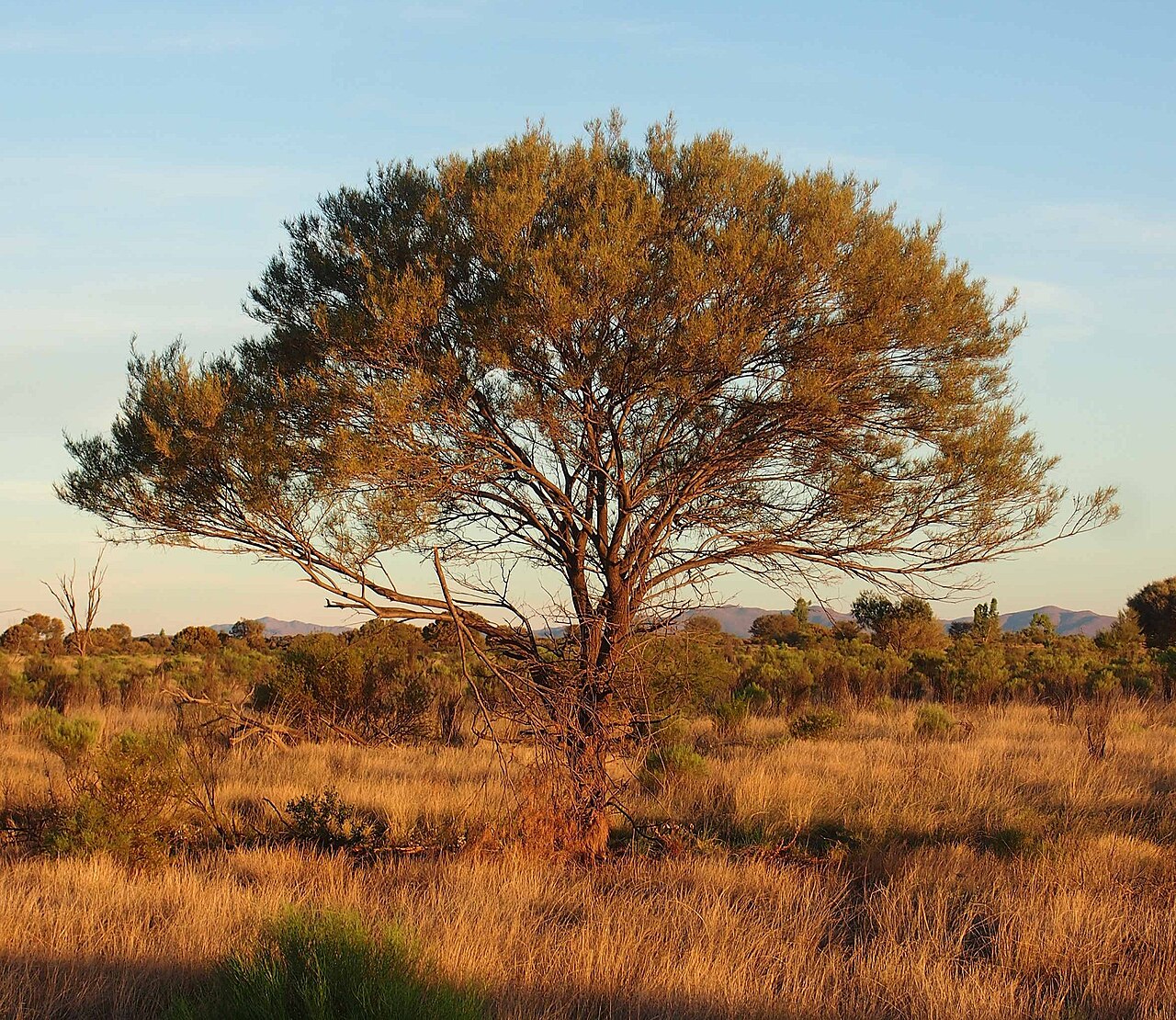
Thank you to all the ecologists and others who attended the recent Acacia workshop in Adelaide to help develop State‑and‑Transition Model (STM) templates for the TERN-CSIRO NatureState project (formerly known as NEASA – the National Ecosystem Assessment System for Australia). The STMs being developed by the TERN team and its collaborators underpin ecosystem modelling for the Nature Repair Market, directly supporting regulatory innovation.
This month saw the release of Ambitious Australia, the final report of the Strategic Examination of Research and Development (SERD), by an independent panel chaired by Robyn Denholm. The 126-page report, if adopted, will impact all of us working in research-related areas. It argues that Australia needs to implement bold reform to revive its R&D sector and makes a compelling case for renewed national ambition. For TERN, the report’s emphasis on leveraging scientific strengths, strengthening research infrastructure and addressing national priorities resonates strongly with our own mission. We will be following the government’s response carefully and will look for opportunities to contribute to the national conversation about how research infrastructure like TERN can help translate ecological knowledge into long-term national benefit.
I represented TERN at the launch of the National Marine Science Strategy in Canberra, an important milestone that includes recognition of coastal ecosystems. This is an area of direct relevance to TERN, whose network of coastal wetland instruments is actively recording ecosystem responses to sea level inundation. The integration of coastal and marine science strategies presents genuine opportunities for collaboration and TERN is well-positioned to contribute observational data that would otherwise be difficult to obtain.
I am pleased to report that TERN submitted an application on 19 March to the NCRIS Capability Gap round. Our submission seeks support for our ongoing operations during 2027-28 to maintain continuity of data collection and staff within the program. The outcome of this funding request will probably be announced along with outcomes from the 2025 National Data Research Infrastructure (NDRI) and Environment and Climate requests we submitted on 2 October. We will keep you posted when we hear of any of these funding outcomes.
As we move toward April, I am delighted to report that our upcoming webinar on 1 April, Nature’s Litter, Nature’s Treasure, has attracted hundreds of registrants, a response that has been genuinely heartening – and it’s not too late to register. The enthusiasm from many countries reflects something we know well within this community: that plant litter, often overlooked and under-appreciated, is fundamental to ecosystem function, energy cycling and nutrient dynamics across every landscape type, from our tropical rainforests to arid rangelands.
I look forward to the April webinar, to continuing conversations sparked by the SERD report and to sharing more updates on TERN’s expanding program of work in the next newsletter. Until then, happy reading.