


Scientists studying ecological drought can now access the world’s first globally-harmonised environmental datasets, thanks to a major milestone achieved by the Global Ecosystem Research Infrastructure (GERI). In a landmark proof‑of‑concept project, the US‑based National Ecological Observatory Network (NEON), TERN Australia, SAEON in South Africa, along with ICOS and eLTER in Europe have successfully developed scalable data‑sharing workflows and used them to harmonise drought‑related datasets from across multiple continents.
This achievement marks a significant step toward GERI’s vision: enabling researchers to build and analyse ecological datasets at a truly global scale.
Why global harmonisation matters
Planetary challenges such as ecosystem change, biodiversity loss and land degradation cannot be solved by any single nation or research infrastructure. GERI was established to meet this reality head‑on, bringing together some of the world’s largest ecosystem research infrastructures to build shared practices, shared tools and shared data.
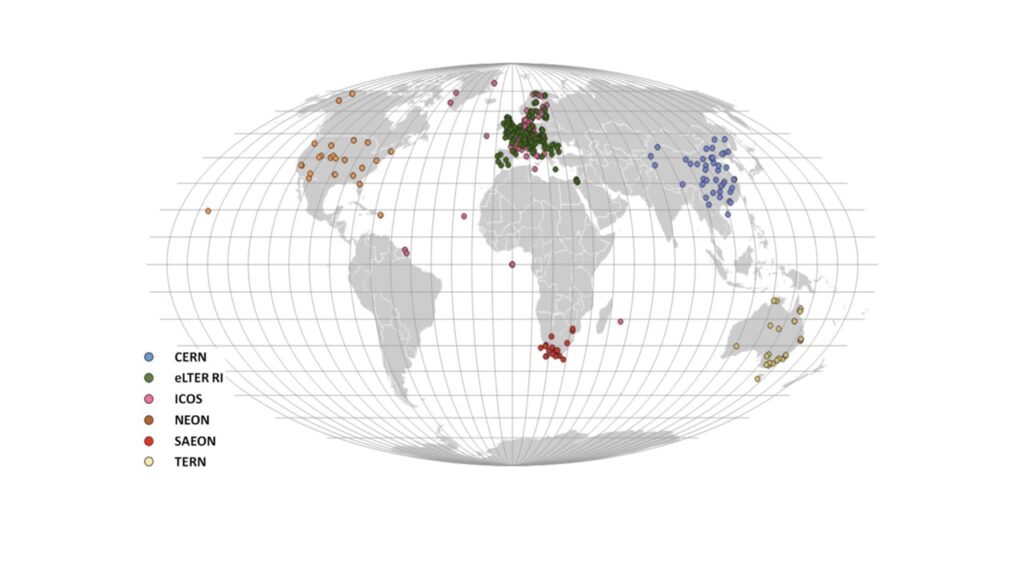
GERI’s member networks span five continents: Africa, Asia, Australia, Europe and North America, creating a “network of networks” capable of supporting environmental research across regions, decades and disciplines.
Members
- European Long-Term Ecosystem, Critical Zone, and Socio-Ecological Systems Research Networks (eLTER) – Europe
- Integrated Carbon Observation System (ICOS) – Europe
- Terrestrial Ecosystem Research Network (TERN) – Australia
- Chinese Ecosystem Research Network (CERN) – China
- South African Ecological Observatory Network (SAEON) – South Africa
- National Ecological Observatory Network (NEON) – United States
At the heart of this collaboration is data sharing. But as TERN Project Manager and GERI Early Career Researcher Working Group member Dr Elisa Girola explains, interoperability is not straightforward:
“Environmental data are often fragmented across countries and institutions,” Dr Girola says. “Each network collects data using different methods, units, standards and instruments. Even the vocabularies we use to describe the data differ.”
These differences make it difficult to directly combine datasets from multiple countries, particularly for large‑scale ecological processes like drought.
Studying drought at a planetary scale
Ecological drought is intensifying and does not respect borders. Understanding how ecosystems respond requires observations from a wide range of climates, soils, vegetation types and drought conditions.
Yet global drought knowledge remains fragmented.
Data harmonisation offers a solution: standardising and integrating datasets from multiple research infrastructures into cohesive, comparable data products.
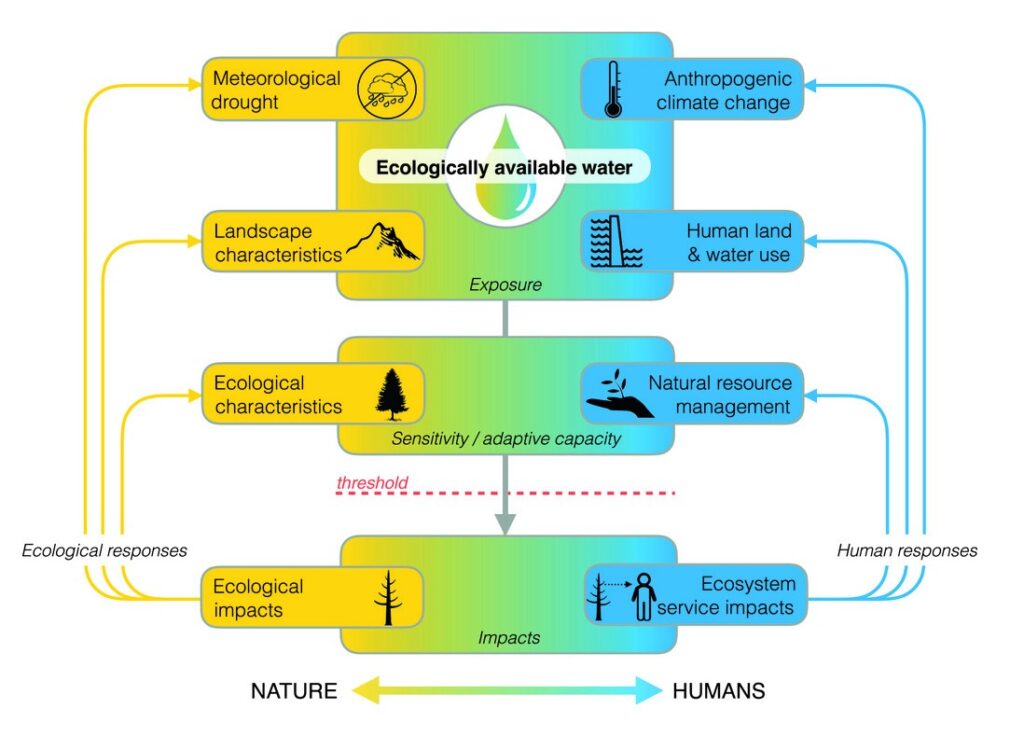
Conceptual diagram of ecological drought in the twenty-first century. This diagram illustrates the key drivers of drought vulnerability and impacts in coupled natural–human systems. Vulnerability = exposure + sensitivity + adaptive capacity. Curved arrows indicate feedbacks where ecological responses and changes in human behavior or institutions can alter ecological drought vulnerability. The yellow–blue color gradient represents the continuum of coupled natural–human systems.
Citation: Bulletin of the American Meteorological Society 98, 12; 10.1175/BAMS-D-16-0292.1
GERI in action: harmonising global drought data
GERI partners have been working closely to harmonise drought‑related datasets across the member networks.
The international team developed the scalable workflows and data‑sharing practices needed to build FAIR (Findable, Accessible, Interoperable and Reusable) harmonised global drought datasets.
Her colleague, Dr Krutika Deshpande from Northern Arizona University, who leads the harmonisation process adds, “Because the framework is FAIR and scalable, we can integrate datasets from many organisations, giving researchers unprecedented opportunities to study drought across ecosystems and continents.”
How the harmonisation process works
- Data are accessed programmatically through APIs wherever possible
- Automated workflows standardise data from multiple infrastructures
- Harmonisation procedures are scalable, reproducible and efficient
- Harmonised datasets include rich metadata, ontologies and provenance information
- Each dataset receives a DOI for citation and reuse
- Datasets are published through the GERI DataONE portal for discovery and access.
Harmonised data products
The harmonised drought datasets are available through the GERI DataONE portal (https://geri.dataone.org/). The datasets focus on variables measured consistently across GERI:
- Air temperature
- Precipitation
- Soil temperature
- Soil moisture
- Soil texture
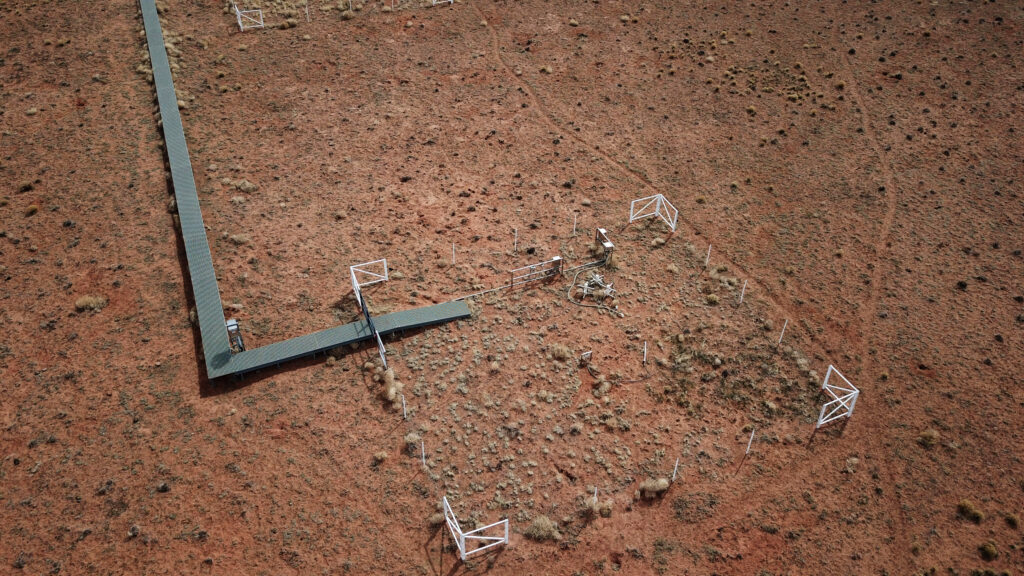
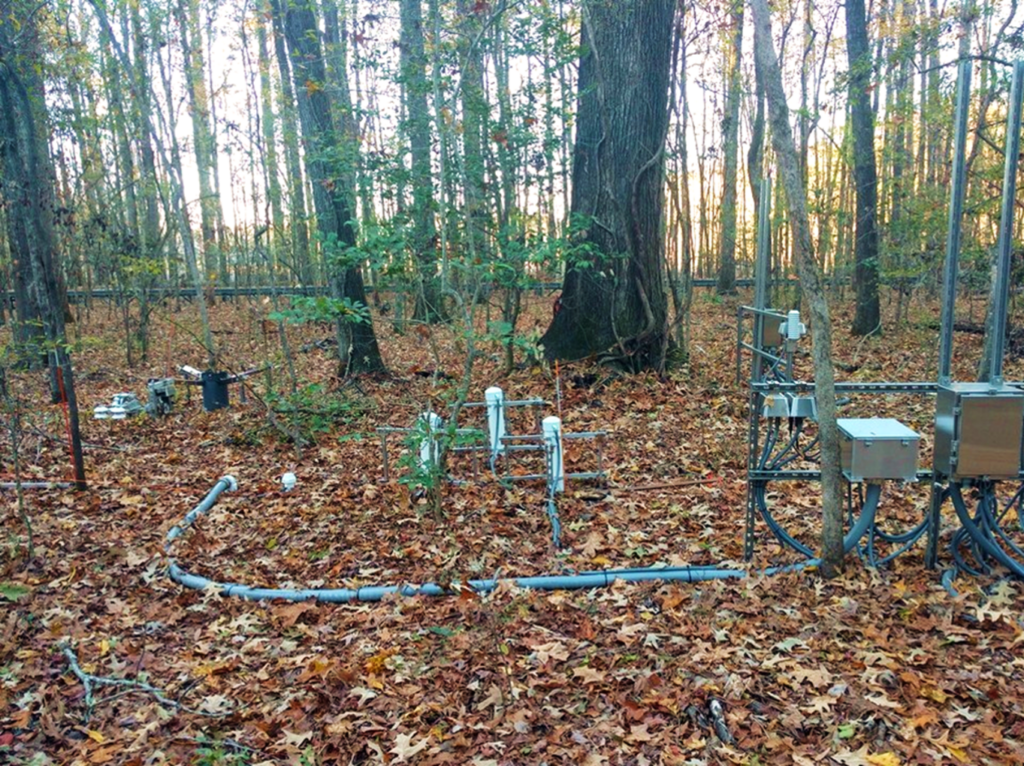
Sensor-based soil sampling plot at the Lenoir Landing NEON field site (LENO) (Image courtesy NEON)
Sensor-based soil sampling plot at the Moab NEON field site (MOAB) (Image courtesy of NEON)
These variables form a strong foundation for global comparisons and synthesis studies. The datasets have been beta-tested by researchers at Colorado State University. Dr Alex Siggers, a postdoctoral researcher in the Smith Lab, says, “The GERI team has done incredible work harmonizing these data, and I am excited to see what will be done with the dataset. The dataset is incredibly easy to work with! The parquet files work perfectly with my local machine, and the datasets are still small enough to operate as data frames in R. It is easy enough to align the timescales and create large models to test interesting questions even outside the context of drought.”
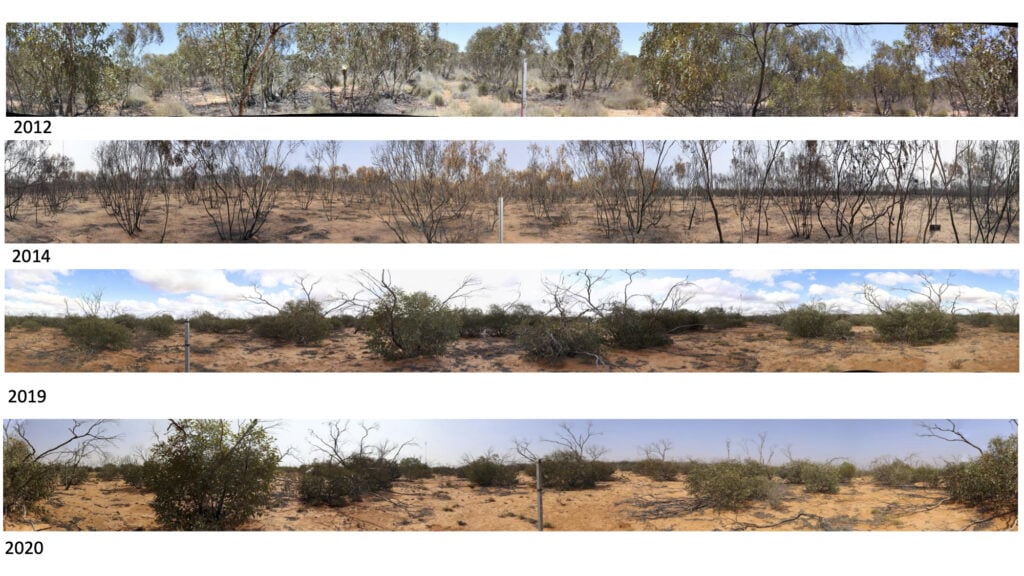
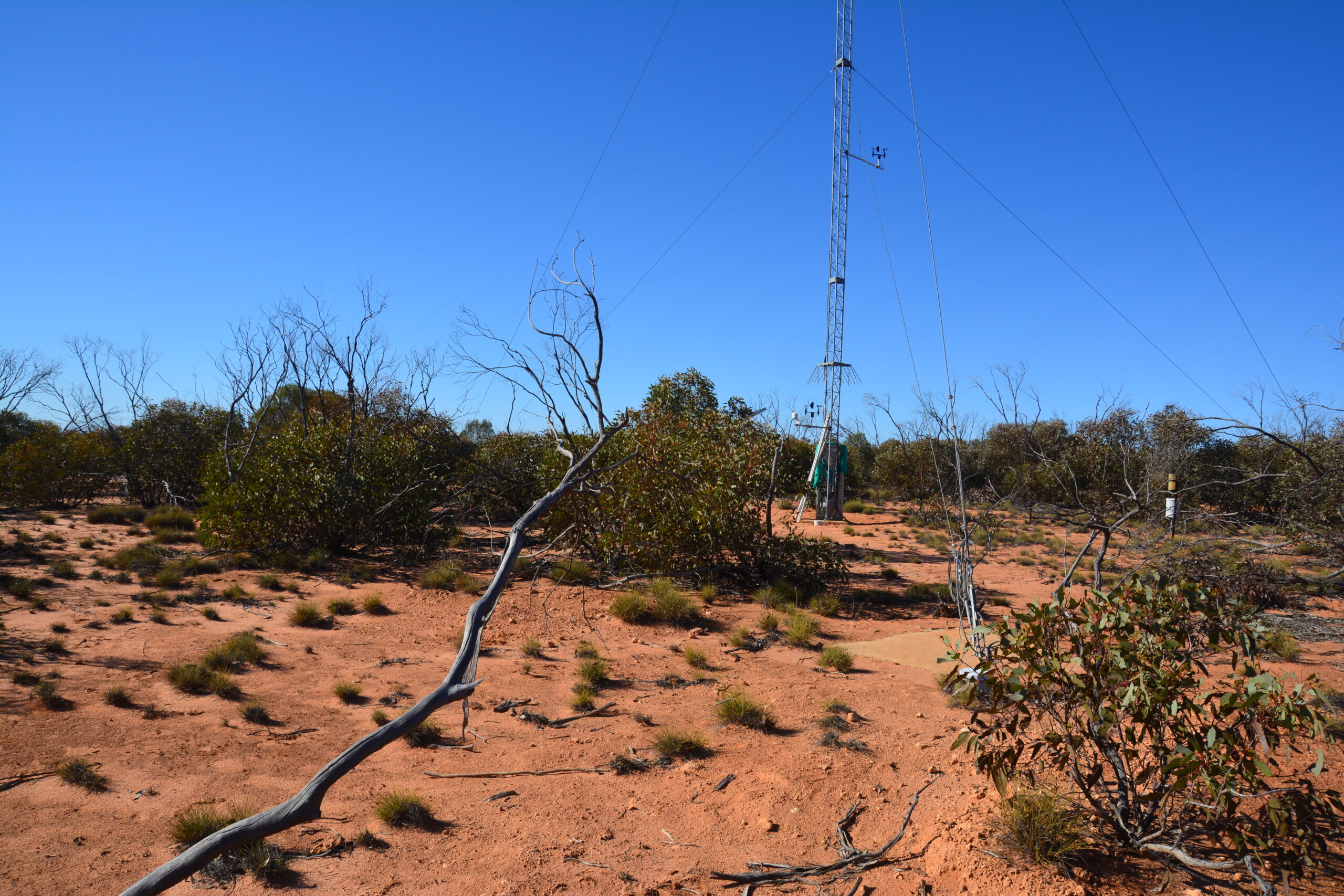
TERN’s long-term data from sites such as the Calperum Mallee SuperSite in South Australia have been included in the GERI harmonised drought data set.
Support
The harmonised data products for drought were supported by the U.S. National Science Foundation’s award AccelNet Implementation: Global Ecosystem Research Infrastructure (GERI): Harmonizing Data to address Ecological Drought (NSF 2301655).
- Principal Investigator – Michael SanClements, Battelle – NEON, US
- Co-Principal Investigator – Benjamin Ruddell, Northern Arizona University, US
- Co-Principal Investigator – Henry Loescher, Battelle – NEON, U.S.
- Co-Principal Investigator – Christine Laney, Battelle – NEON, US