

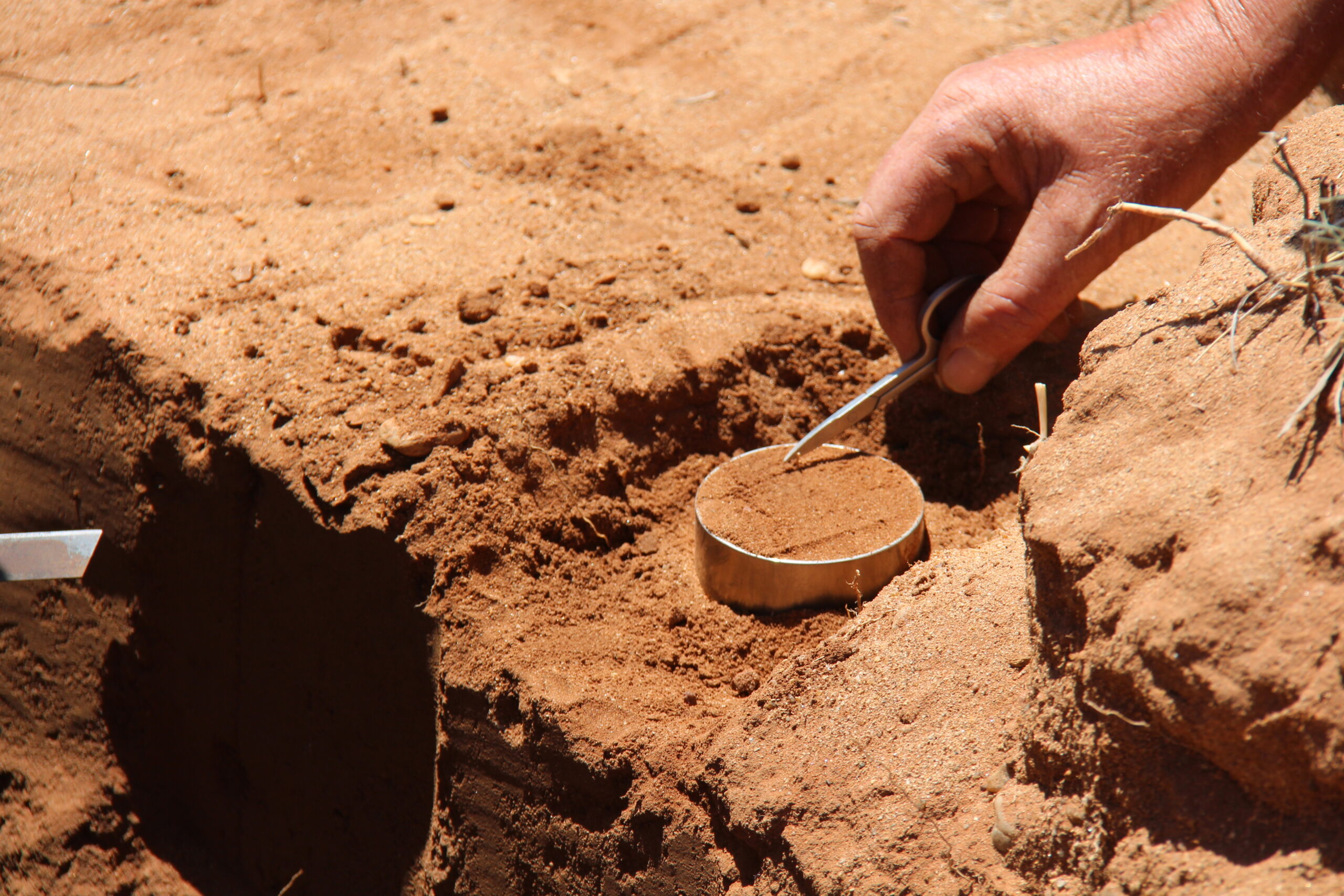
Soils are dynamic, living systems that play a central role in the most fundamental processes on Earth. They cycle nutrients, store carbon, filter water, and underpin the health of nearly every terrestrial ecosystem on the planet. Yet despite their global importance, soils are not fully understood. This knowledge gap is compounded by the fact that soils are complex and highly variable, so their properties and ecological roles differ from one ecosystem to another. As soils come under increasing threat from habitat degradation and climate change, understanding them has never been more urgent.
To address this, the TERN Australia Soil and Herbarium Collection facility houses tens of thousands of soil samples from diverse ecosystems across the Australian continent. This state-of-the-art repository is contributing to important research critical to solving real-world problems, particularly in the areas of climate science, earth observation, conservation, and sustainability.
Soils contain multitudes
So, what are soils exactly? Soils contain minerals, sediments and other inorganic particulate matter formed and shifted via a range of long-term processes, from rock weathering to the movement of water through a landscape. This inorganic matter offers structure, texture, and important nutrients. So, too does the enormous amount of decomposing organic matter, which is provided largely by dead plant material. But this is only one part of the picture.
Soils are also teeming with living organisms. Indeed, a comprehensive study published in 2023 determined that “soil is likely home to 59% of life including everything from microbes to mammals, making it the singular most biodiverse habitat on Earth.”
Soil microbes
Around 90% of fungi species are found in soil, as are a substantial amount of plant biomass, mostly in the form of expansive root systems. The microenvironment where plant roots interact with soil microbes is brimming with mutually beneficial biogeochemical processes. In fact, over 70% of terrestrial plant species depend on a symbiotic fungi to help cycle essential nutrients. The collective impact of the world’s vast networks of soil fungi is substantial. Among other things, they draw down approximately 1 billion metric tonnes of carbon each year.
Soils are also rich in bacteria, archaebacteria, and even viruses. Although soil bacteria are particularly difficult to quantify, they are considered to be among the most numerous and biodiverse group of organisms in the world. Algae is another prolific feature of soil ecosystems. For example, biological soil crusts (BSCs) are communities of microalgae, lichens and mosses which often inhabit the top few millimetres of soil and are so abundant they cover around 12% of the Earth’s terrestrial surface.
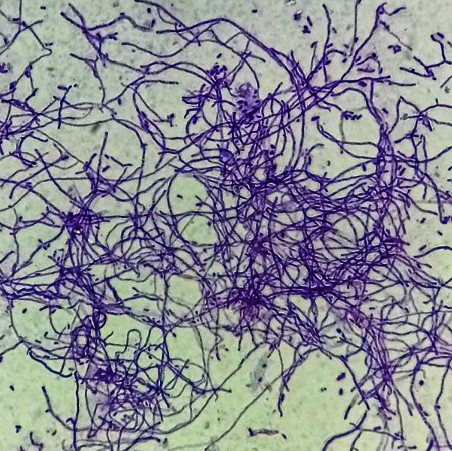
Soil microbes play an important role in the discovery of medicines thanks their genomic capacity to produce chemically diverse metabolites. In fact, many current therapeutics – including statins and most antibiotics – originated from bioactive compounds produced by soil microbes. This remarkable impact on human health is yet another motivation to keep our soils healthy.
Left: photomicrograph of gram stain of Streptomyces bacteria which produce antibiotics (image via Antido et al 2022)
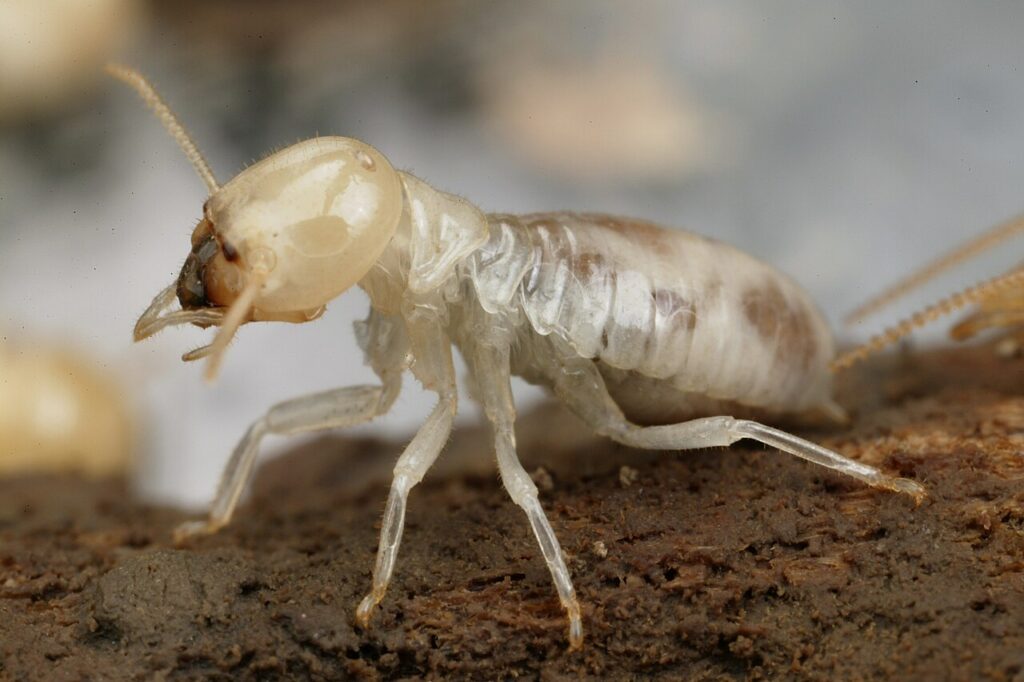
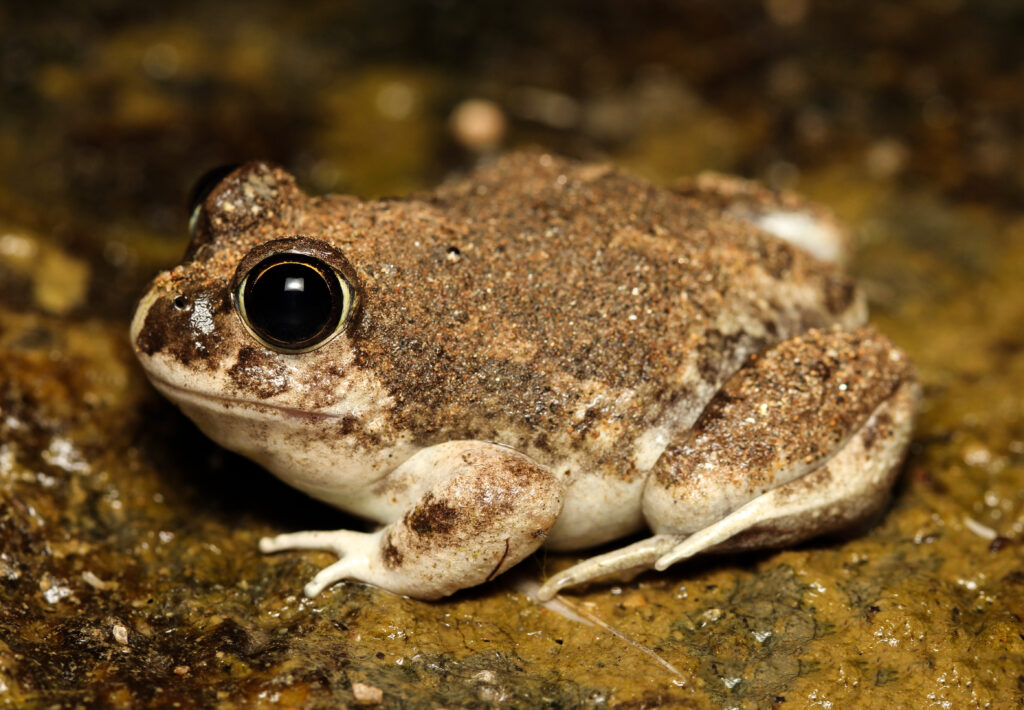
Top: Mastotermes darwiniensis worker termite (image: CSIRO); Bottom: Spencer’s Burrowing Frog (image: Fotolia Premium via Adobe iStock)
Soil fauna
An enormous number of animal species inhabit the worlds soils for either some or all of their lives. In addition to thousands of species of worms and molluscs, soils are the primary habitat for around 30% of the world’s known arthropod species including, but certainly not limited to, dung beetles, springtails, mites, woodlice, millipedes, centipedes, ants, ground-dwelling spiders and termites. In fact, despite their reputation for wood-burrowing, 85% of termites live in soil. There are also numerous insect species that reproduce in soil or will spend their larval, pupal and/or nymph stages there. Cicadas offer a good example of this: they spend almost the entirety of their lives as nymphs underground – from a few years to as much as 17 years, depending on the species – before emerging as adults in their final few weeks to chorus and reproduce. Many species of macrofauna — from burrowing frogs to marsupial moles – are also soil dwellers.
Ecosystem services
Suffice to say that soils are profoundly complex and biodiverse. They are a matrix of and for living organisms and this enables soils to provide critical ecosystem services. Our natural environment depends on healthy soils, which regulate atmospheric processes, energy cycles, water cycles and more, he explains.
Moreover, around 95% of the world’s food supply relies on soil, which makes soil health critical to global food security. Unfortunately, soils are vulnerable to habitat degradation and climate change. Currently, between 33% – 40% of the world’s soils are already degraded and this figure could reach 90% by 2050. As soil ecosystems are increasingly put at risk, so too are the ecosystems and agricultural systems that rely on them.
Understanding soils
Protecting healthy soils and restoring degraded ones offers a way to conserve ecosystems and bolster global food security. Central to this effort is understanding the characteristics and function of healthy soils and how they change over time. You can also gain a great deal of insight about an ecosystem and its trajectory by analysing its soils.
Soil analyses provide valuable information about the physical composition of the soil, necessary to quantify parameters such as carbon and water content. These measurements make it possible to ascertain the variability in soil characteristics across ecosystems and landscapes.
But soils are complex and vary widely in their composition. Indeed, healthy soil in tropical rainforests is profoundly different from healthy soil in Australia’s arid interior and this differs again from healthy soil in Alpine areas.
So, if you want to understand the soil processes across a landscape you need to examine as many different soil types as possible. If that landscape covers a whole continent, then you have a lot of digging to do. Moreover, both time and resources are limited during fieldwork which makes it difficult, if not impossible, to fully interrogate soil structure, biodiversity and biogeochemical processes on site.
Although challenging, collecting samples and data about soils and their role in ecosystems is a pivotal part of TERN Australia’s work. One of Australia’s most downloaded environmental datasets is TERN’s ‘Soil and Landscape Grid of Australia’ (SLGA). The SLGA combines information obtained from soil samples and satellite data to make a detailed digital map of what’s happening beneath our feet. It shows what Australia’s soils are made of, how they hold water and how they vary across the country, all at a scale of about the size of a city block.
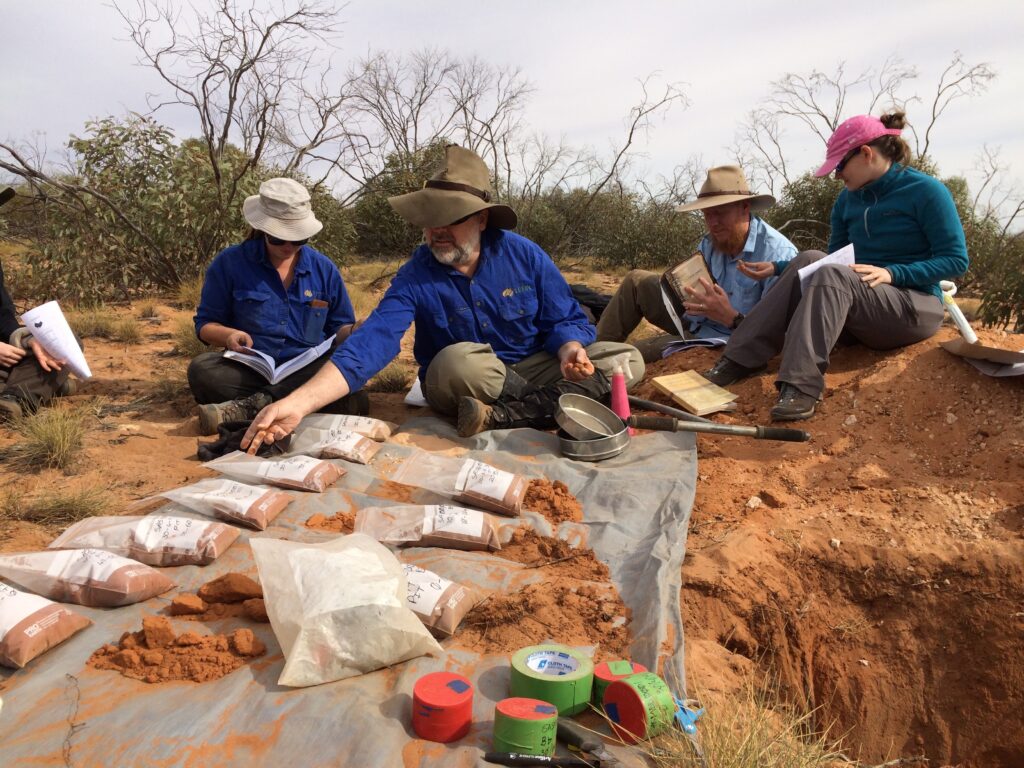
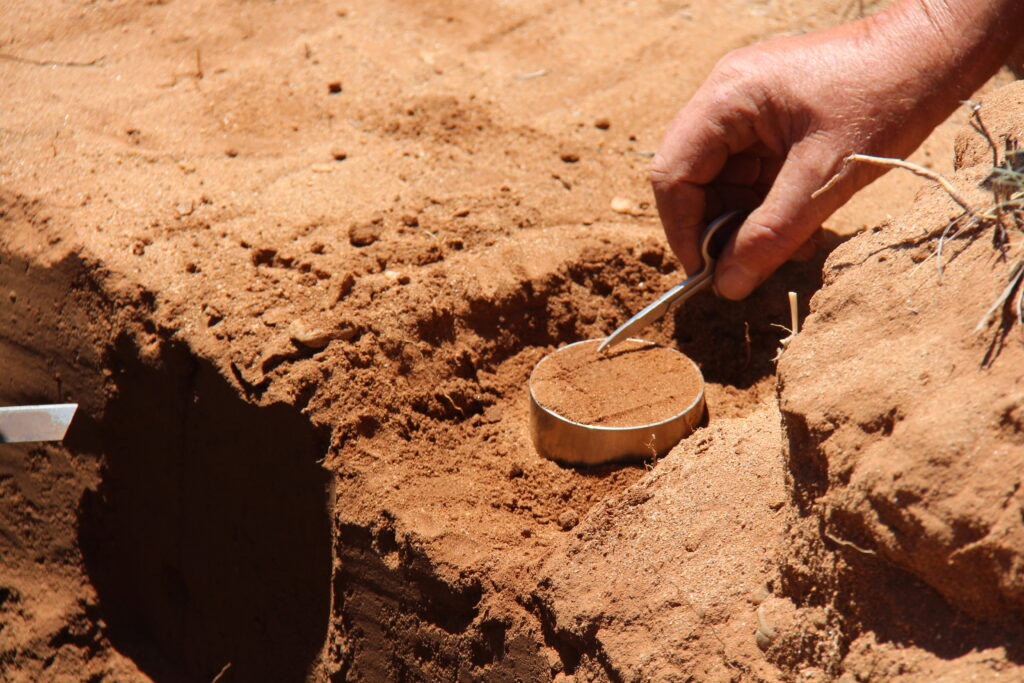
Ben Sparrow and team collecting soil samples
A collection like no other
In 2012, TERN launched its field monitoring program, which included the collection of soil and vegetation samples from TERN’s 1000+ long-term ecological monitoring sites across the continent. It offered a unique opportunity to not only build a collection of soil samples that could represent Australia’s major biomes, but to also ensure those soil samples could be kept contextually with plant and ecosystem data, which had never been attempted before on such a scale. Initially, the samples were stored offsite at Adelaide University but as their importance to research grew and space for the growing collection became an issue, the collection was moved in 2022 into own dedicated home at Adelaide University’s Waite campus in a collaboration between NCRIS, the SA Government and the university.
Now called the ‘TERN Australia Soil and Herbarium Collection’, the facility holds more than 200,000 soil and plant samples in total, collected from across TERN’s Ecosystem Survellance Network. This includes more than 51,000 soil samples, comprising 6,000 soil pit samples, 35,000 subsite samples, and 10,000 soil metagenomic samples.

Illustration of a TERN monitoring plot (image by Mindy Gilling, TERN)
An important feature of the TERN sample collection is that each item is associated with comprehensive, highly detailed environmental information about the 100m x 100m survey sites where it was collected. So, in addition to a full characterisation of the soil at each site, there is accompanying data reflecting a full floristic inventory including vegetation structure and composition, as well as visual data in the form of a stitched photo panorama taken at the time of sample collection.
In addition, most soil specimens collected by 2019 at TERN sites were also scanned with an ASD portable vis-NIR spectrometer (visible to near infrared). This approach enabled rapid analysis of soil composition providing additional data about soils including level of organic matter, clay and silt ratios, mineral composition, carbon content due to the unique spectral signatures of each.
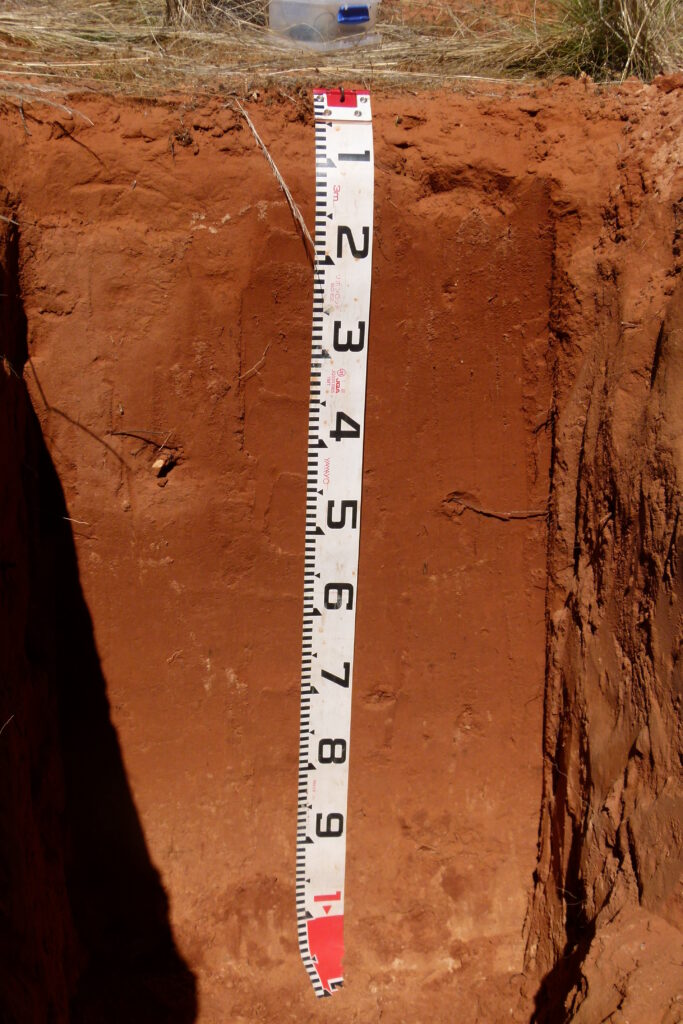
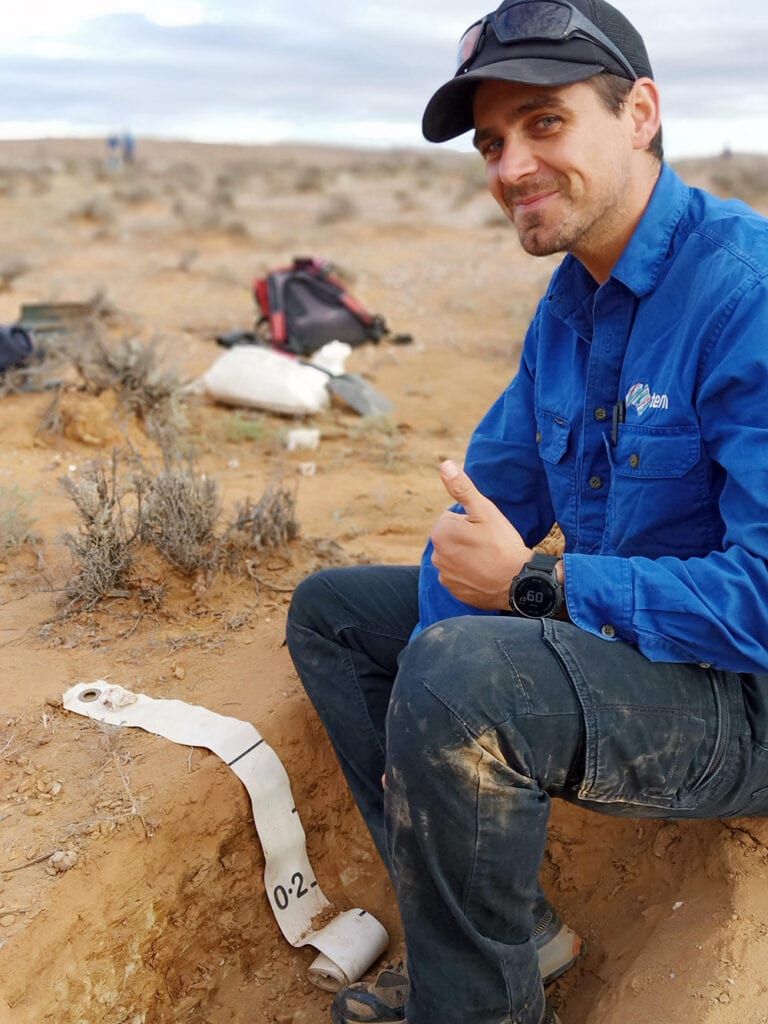
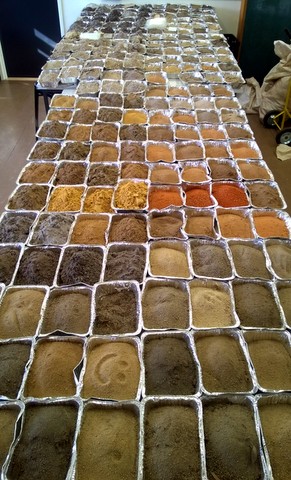
Left to right: soil pit (image: TERN); TERN soil scientist Luke Finn collecting soil samples at Fowlers Gap, NSW (image: Augie Facelli, TERN); diversity of soil samples from different regions (image: Nicolas Rakotopare, TERN)
Supporting research across time
The TERN Australia Soil and Herbarium Collection facilitates complex research into the relationships between soils, plants, carbon and environmental conditions. This allows scientists to explore critical questions today and well into the future.
“It’s a purpose-built treasure trove for scientists,” says Associate Professor Ben Sparrow, the program lead for TERN’s Ecosystem Surveillance capability, which includes the Collection. “Botanists, ecologists, taxonomists and agricultural scientists are frequent users of this collection and the samples are also useful to microbiologists for a range of human and environmental health applications.”
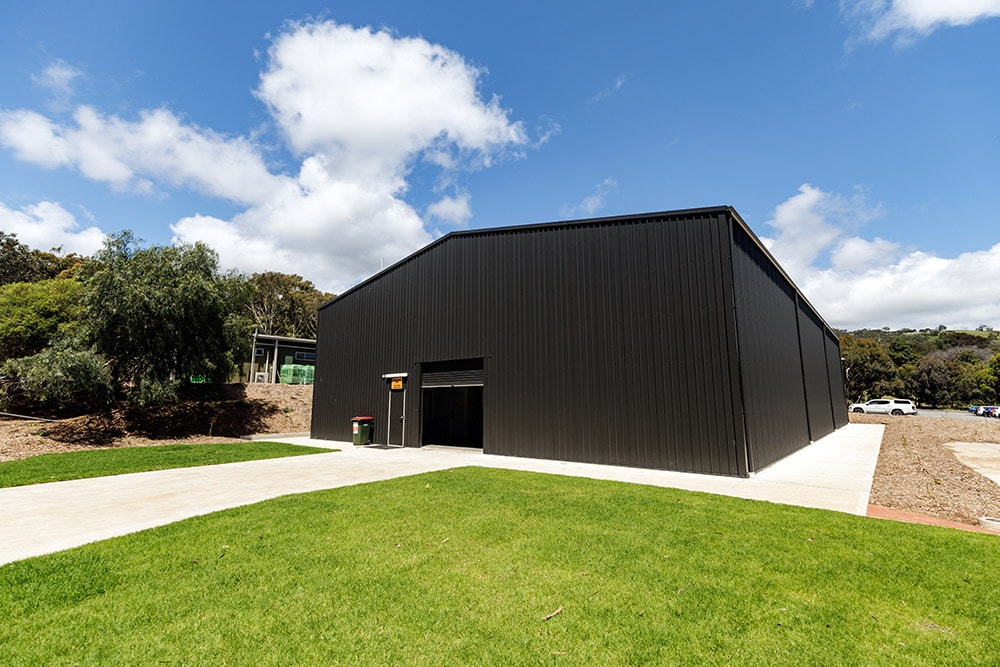
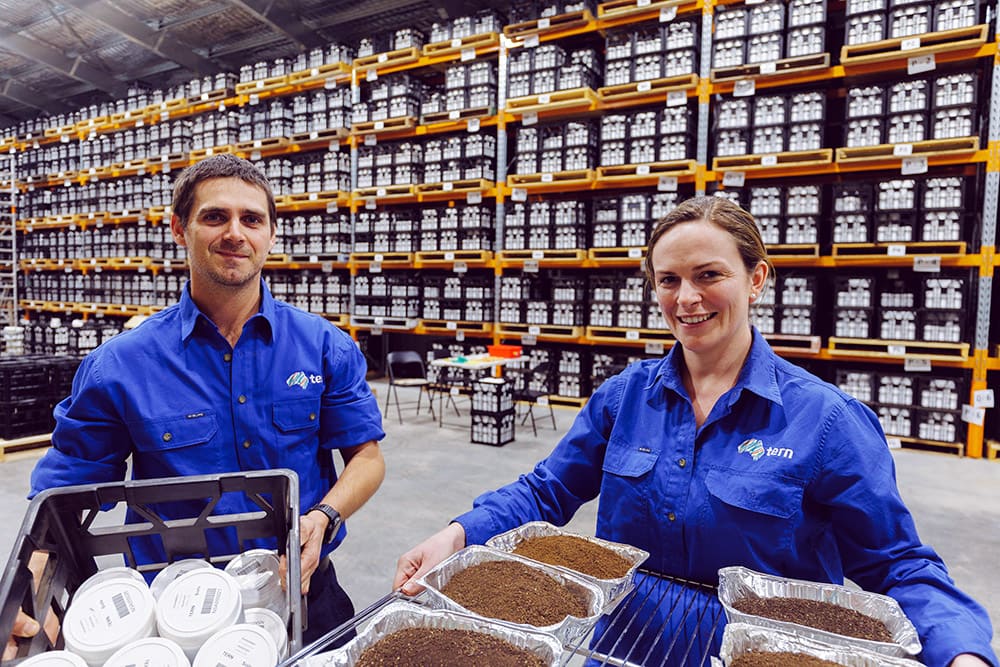
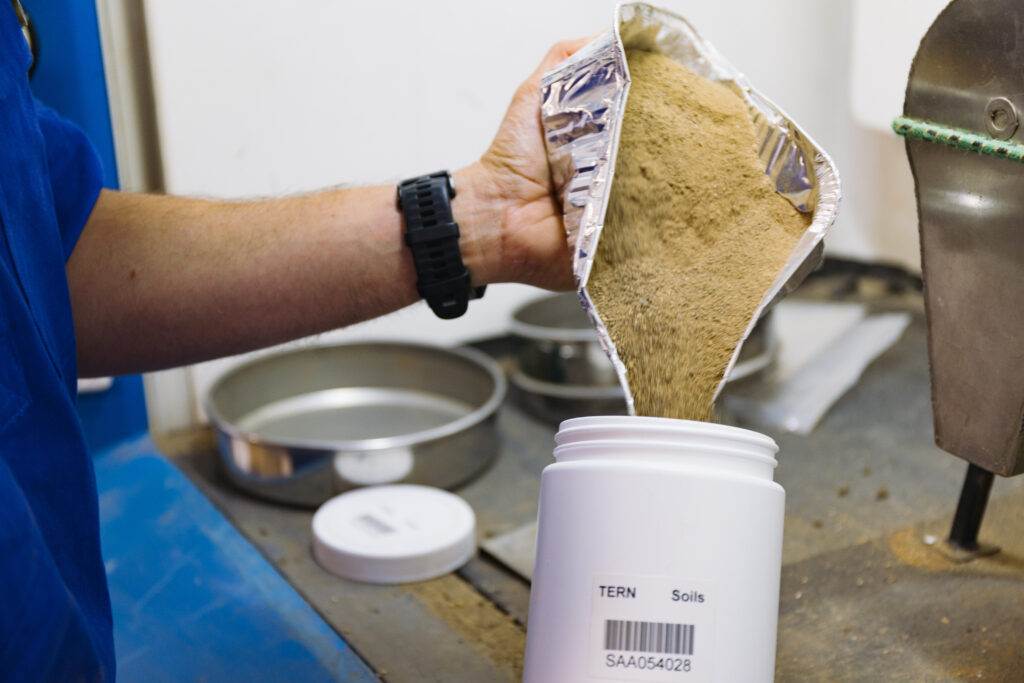
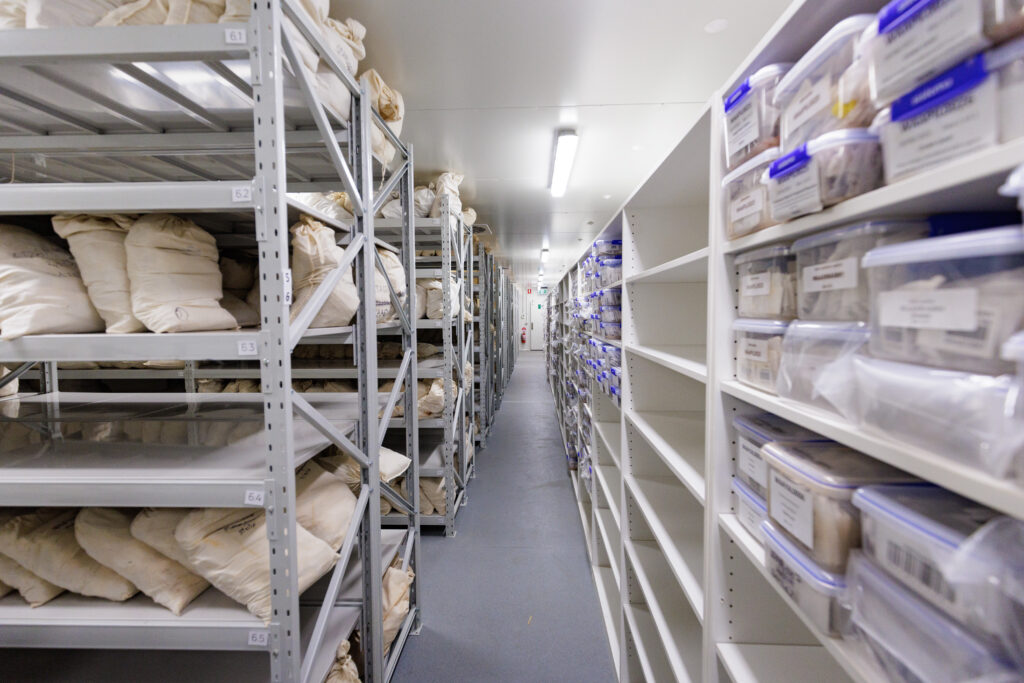
Clockwise from top left: TERN Australia Soil and Herbarium Collection facility; TERN soil scientist Luke Finn and Field Officer Nikki Francis-Martin with soil samples in the facility; Soil samples in storage at the facility; Soil sample being prepared for storage (images: Nicolas Rakotopare, TERN)
Because soils are complex, living systems, the collection also serves as an important source of biodiversity data, underpinning ecological and agricultural research, and even supporting the identification of biosecurity risks.
Moreover, the collection will be indispensable for understanding ecological and evolutionary trajectories. Each sample is a time capsule of soil conditions and processes that future researchers can re-analyse as they study how soils and broader ecosystems change over time.
“We can’t predict what researchers decades from now will want to know about Australian soils or what technology will be available,” says Ben, “but by providing a substantial range of samples, we can make their research possible.”
