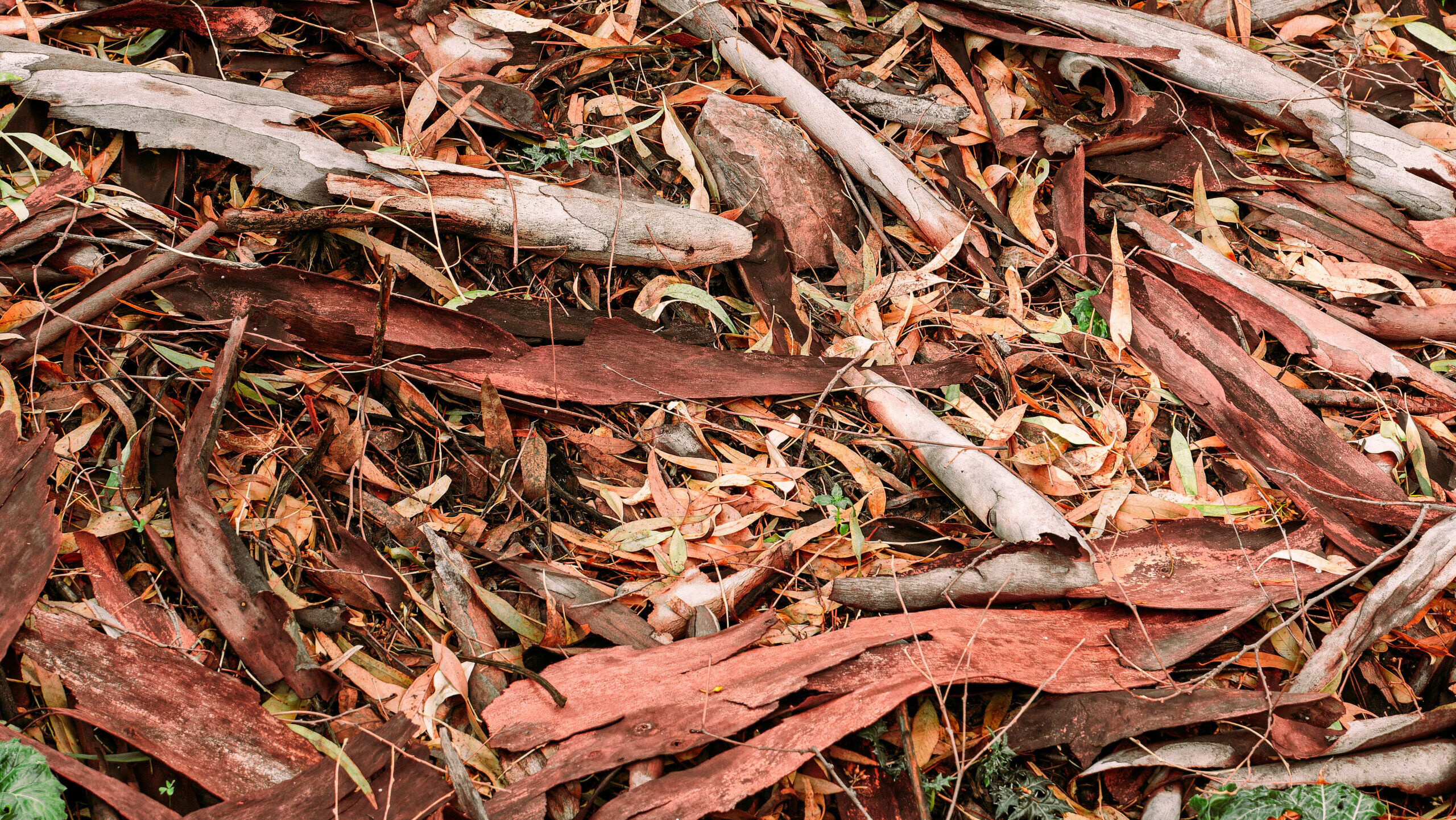
Plant litter isn’t trash, it’s nature’s treasure. It influences biodiversity, soil fertility, carbon cycles, wildfire fuel loads, ecosystem hydrology and more. Yet, it remains one of ecology’s most perplexing puzzles.
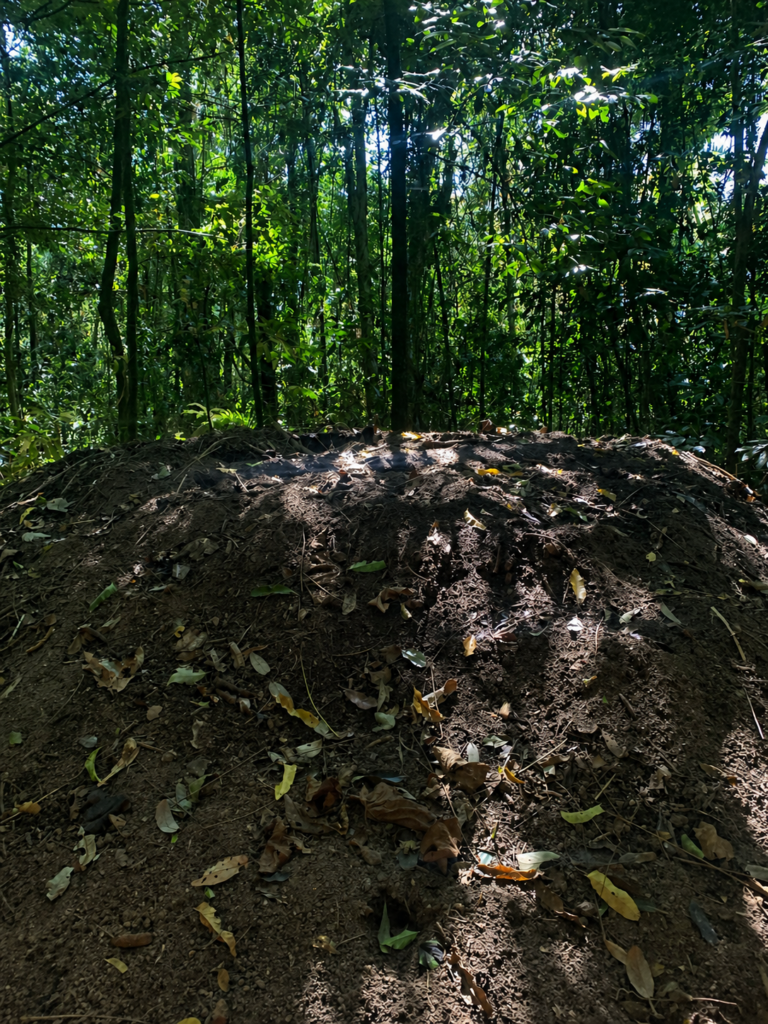
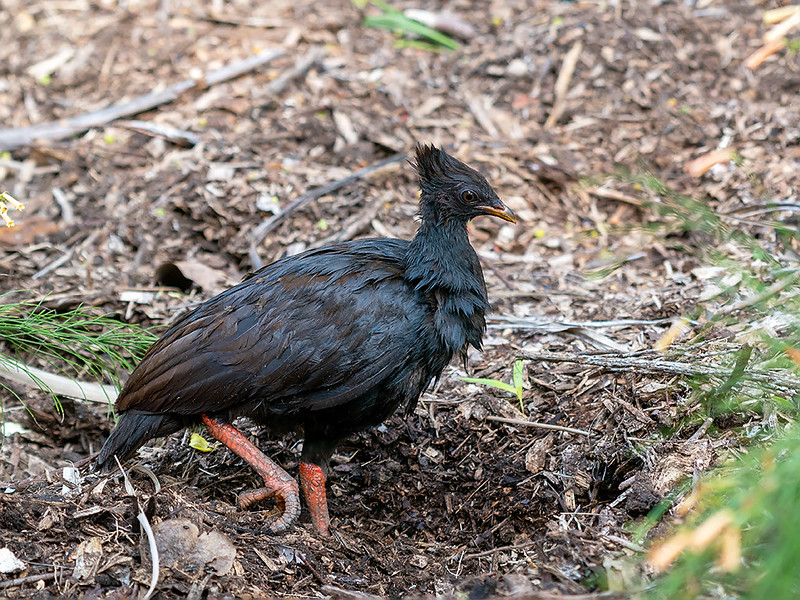
In the Daintree rainforest in Queensland’s north, a male orange-footed scrub fowl moves along the perimeter of a mound nest. With his sharp talons, he rakes at the leaves which have fallen from the dense canopy above, then kicks a claw-full of debris backwards onto the mound. The nest is already enormous. Several metres in diameter and over 2 metres tall, it rises like a small volcano of soil and organic matter in the dense understory, and in the centre lays a clutch of eggs.
Orange-footed scrubfowls don’t use body heat to keep their eggs warm. Instead, they depend on heat generated by decomposing plant matter. So, over the next several weeks, the scrubfowl will fine-tune this process by continuously turning leaflitter and soil, toggling microbial activity to achieve a steady incubation temperature of around 34°C. As time passes, there are added benefits from the amassed leaf litter. Soil fertility increases, fallen seeds germinate, invertebrates thrive and the wider ecosystem benefits.
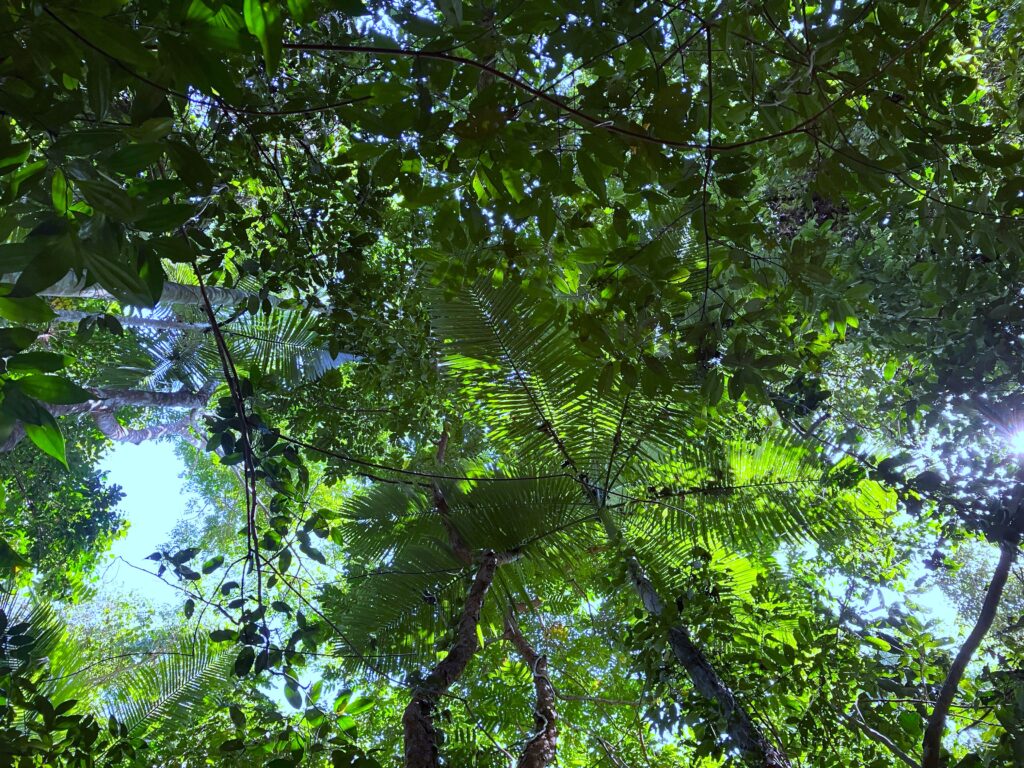
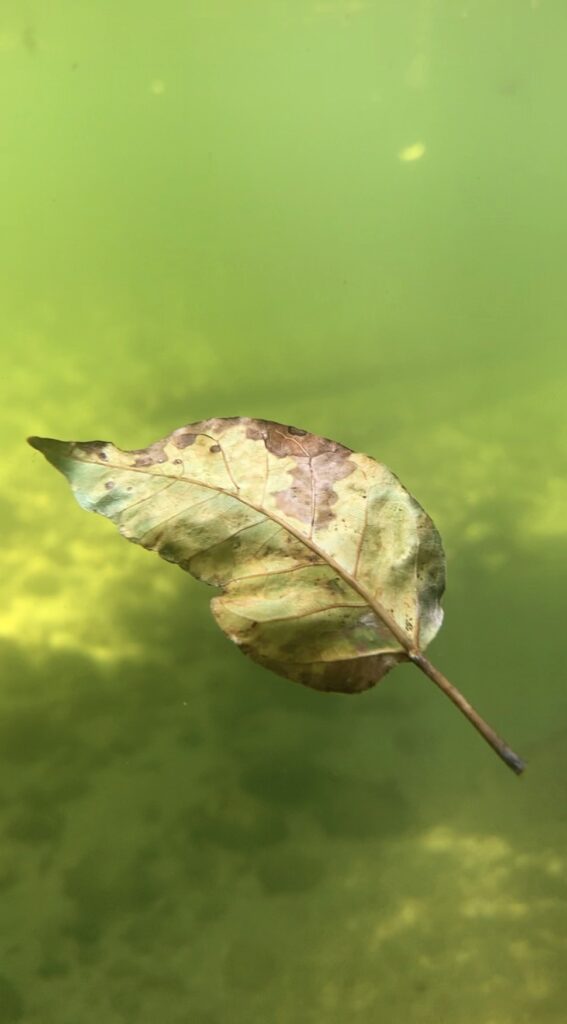
Clockwise from top left: Daintree rainforest canopy plants fix carbon and uptake nutrients during growth (image credit: FMW); Leaf litter falls to the forest floor is used by the orange-footed scrubfowl to build an enormous mound nest, the decaying matter keeps eggs warm (image: FMW); Orange-footed scrubfowl (image: David Cook via Flickr CC BY-NC-SA 2.0); Leaf litter falls from the rainforest canopy into a stream and begins to decay, enabling nutrients to enter the water system (image: FMW).
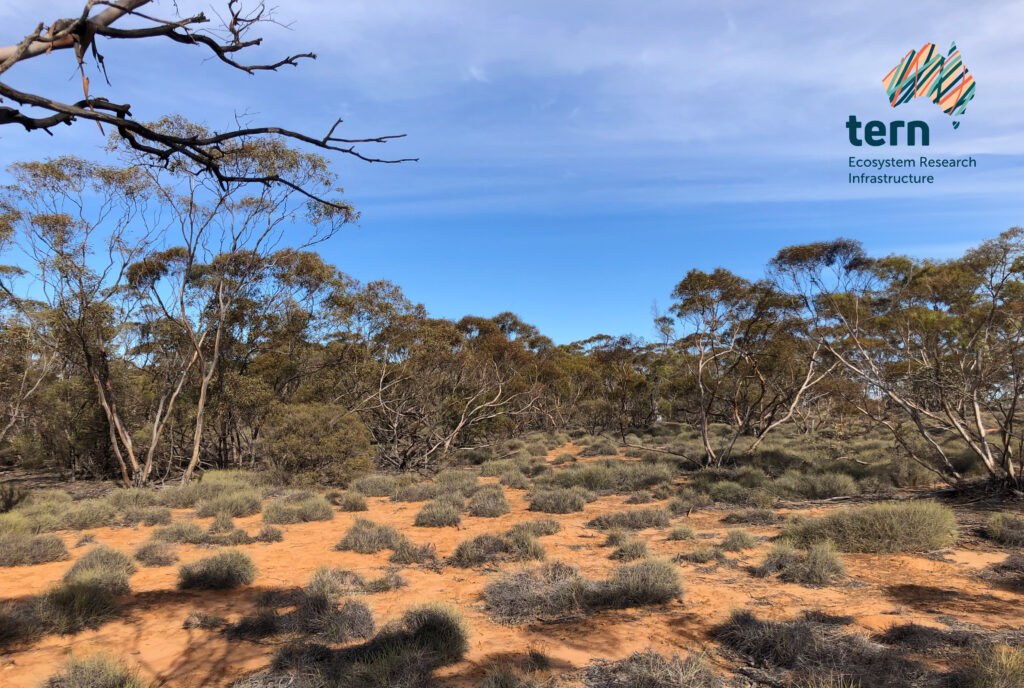
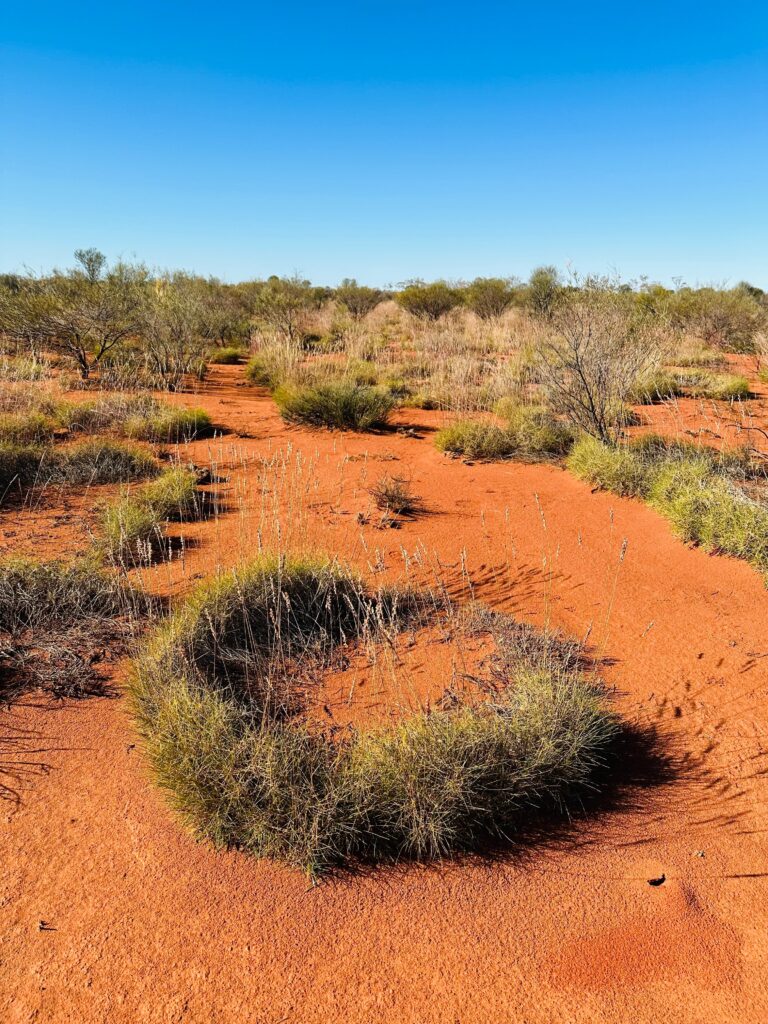
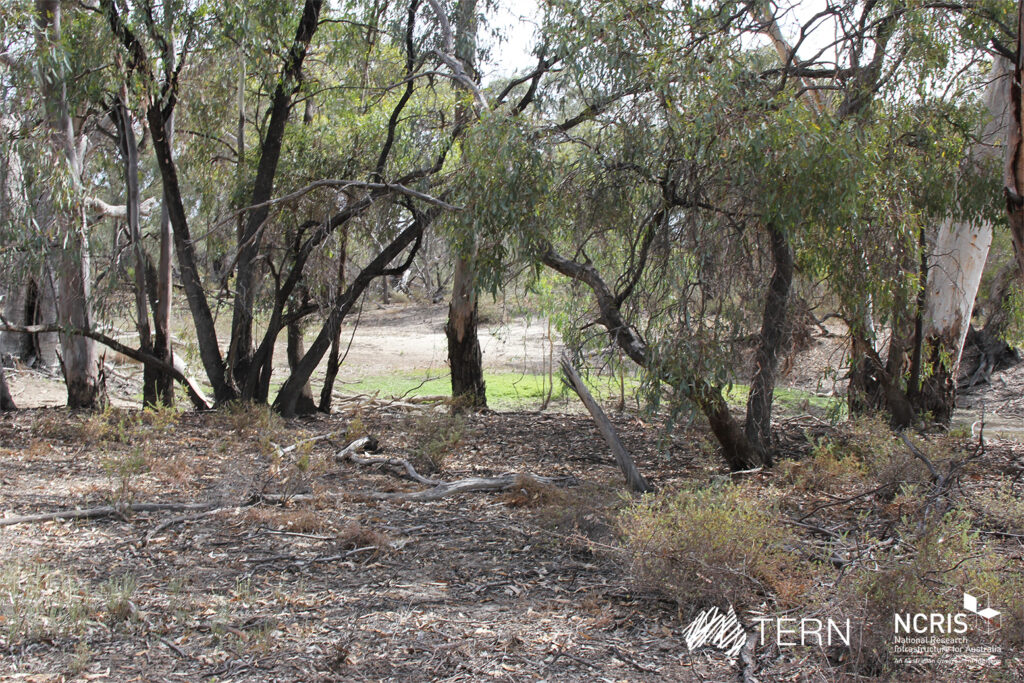
Meanwhile in the drylands of Australia’s interior, rounded hummocks of spinifex grass and hardy drought-tolerant eucalypts occupy the vast open stretches of red soil. Out here they are exposed to high temperatures and strong UV. Moisture and nutrients are not easy to come by, nor is water, but the plant litter produced by falling eucalypt leaves and dying spinifex offers a lifeline. Aided by heat and sunlight, which speed the decomposition process, invertebrates and microbes break down the plant detritus, funnelling moisture, energy and nutrients into soil and food webs.
Clockwise from top: Mallee woodland with spinifex hummock grass at Brookfield Conservation Park, South Australia (image: TERN); Leaf litter accumulates beneath eucalypts at the Calperum Mallee SuperSite in South Australia (image: TERN); Spinifex hummocks can form rings, with older grasses at the centre dying while new sprouts grow outwards (image: Adobe iStock).
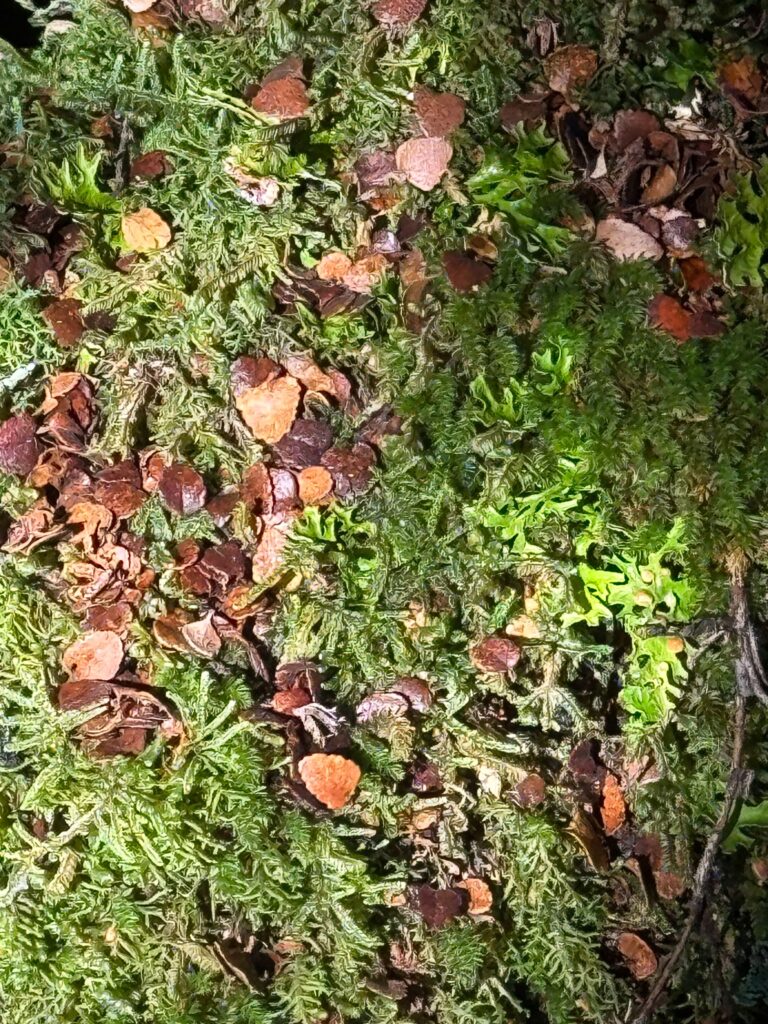
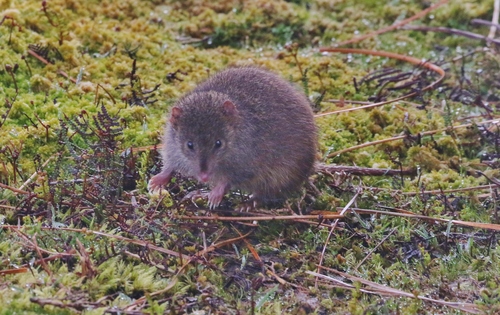
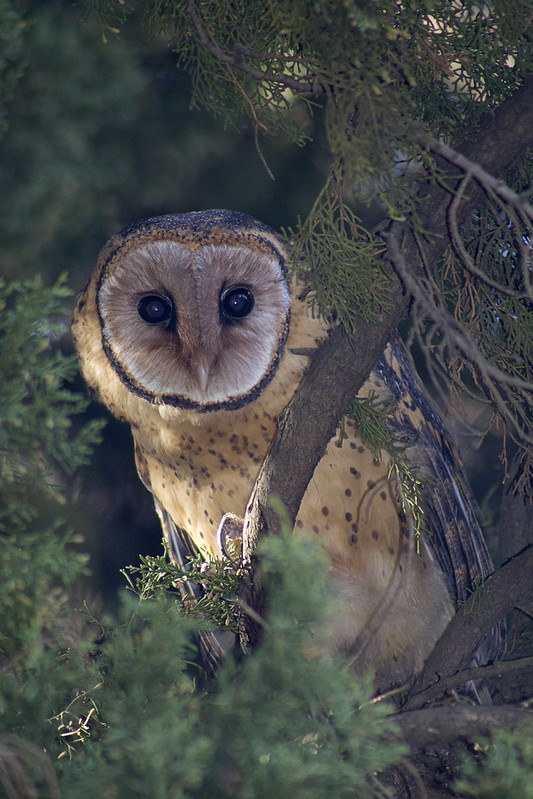
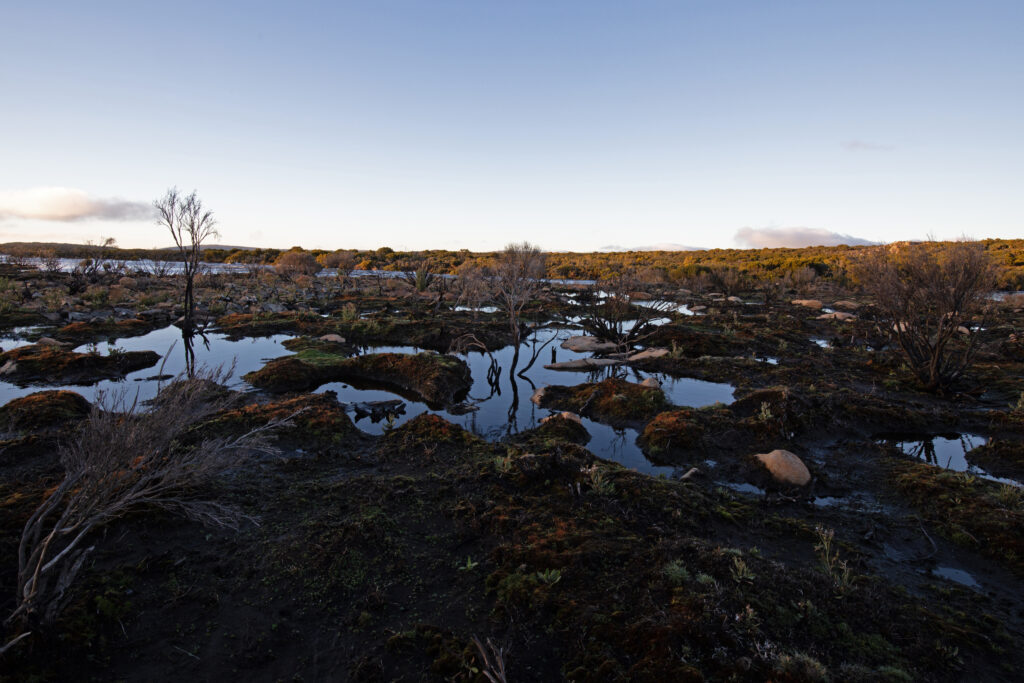
Hundreds of kilometres away, as dusk falls on Tasmania’s central highlands, a little Tasmanian marsupial mouse, a swamp antechinus, scurries across a clearing of peaty grassland, drawing the attention of a Tasmanian masked owl. The antechinus is hunting invertebrates that live in the damp grasses and sedges, beneath which lies dense peaty soil rich in organic matter – the unique result of plant decomposition processes slowed by cold temperatures for more than 8,000 years. It’s now a substantial carbon reservoir and nutrient source, and also moderates the retention and movement of water through the whole ecosystem. An extraordinary amount of biodiversity and complex food webs rely on these soils, from microbes and invertebrates to tiny carnivorous marsupials and endangered owls. But as temperatures rise, the decomposition processes are shifting. The future of peatlands and peaty grasslands – and all that relies on them – is uncertain. And it’s not clear how much longer they can hold on to all that carbon.
Clockwise from top: Leaf litter mixes with moss in central Tasmania (image: FMW); Tasmanian masked owl (image: Nuytsia@Tas via Flickr CC BY-NC-SA 2.0); A swamp antechinus (image: James Bailey CC BY-NC). Image Below: Central Plateau Conservation Area, Tasmania (image: Grantat via Adobe iStock).
What is made clear, time and again, is that plant litter isn’t trash, it’s nature’s treasure. The driest deserts to the wettest peatlands – it’s ecology’s master variable. Whether it decomposes quickly or persists for millennia, plant litter influences biodiversity, soil fertility, carbon cycles, wildfire fuel loads, ecosystem hydrology and more. Yet, it remains one of ecology’s most perplexing puzzles, with processes and ecosystem services playing out differently across ecosystems. This knowledge gap impacts everything from local conservation initiatives to national carbon budgets and global climate models.
In TERN’s April 2026 webinar, we brought together leading experts to explore what we know so far about plant litter, what remains unknown, and how this impacts the development of accurate ecosystem models. We found out what these researchers are doing to tackle the challenge of taking vastly different processes, from photobleached leaves in the Mallee to centuries-old organic matter in alpine bogs to create coherent national models that work.