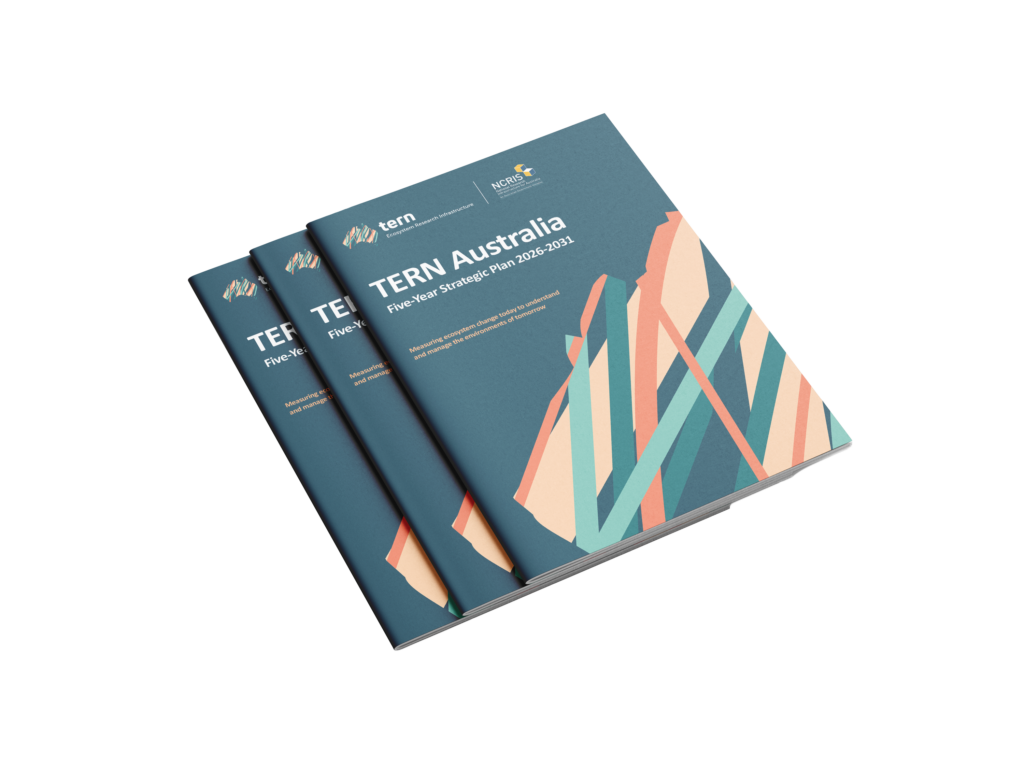

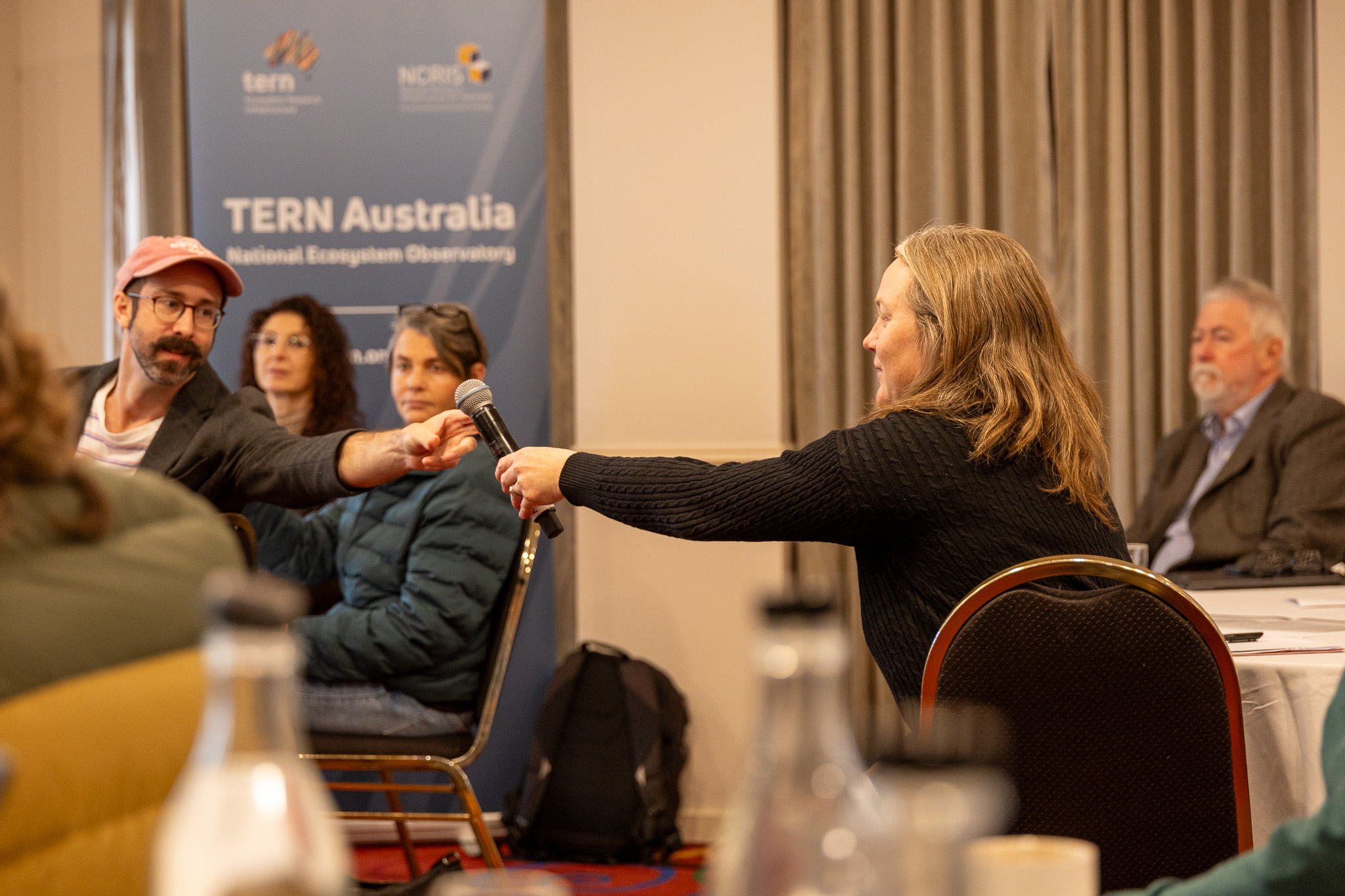
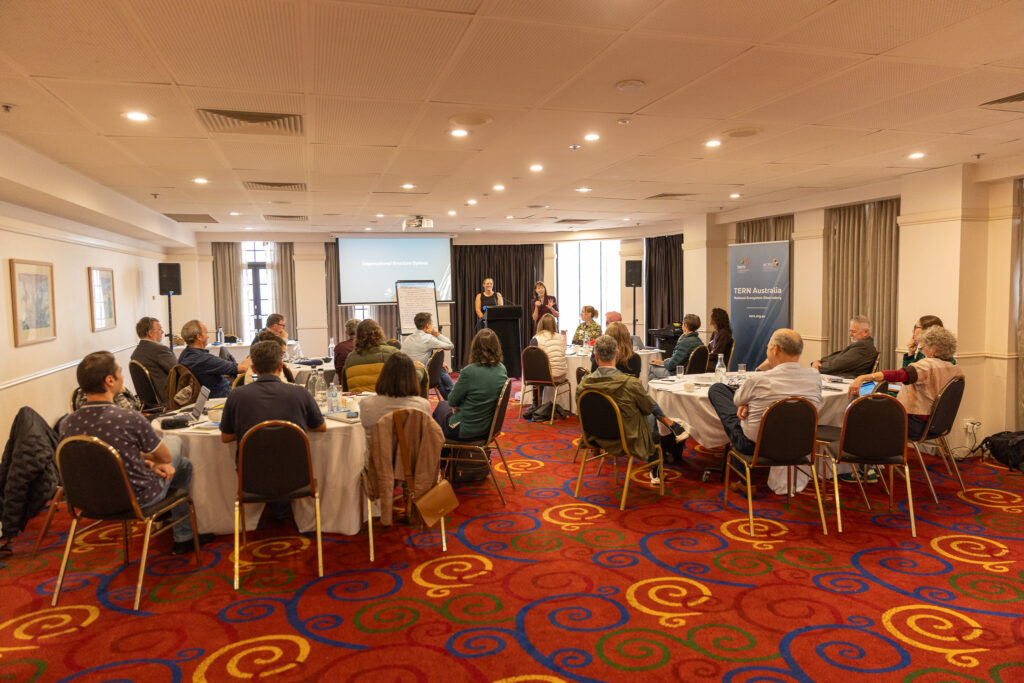
In late August, the TERN Executive Group, the Project Office team, TERN’s Regional Ambassadors, and members of TERN’s new skills-based Advisory Board gathered for a collaborative Strategy Workshop. The goal: to finalise the 2026–31 TERN Strategic Plan and in so doing, secure TERN’s vision of de-risking Australia’s future through trusted environmental intelligence.
Over two half-days we would build a shared understanding of TERN’s strategic goals, informed by TERN’s core and emerging capabilities and a diverse range of critical external demands. It was a challenging venture for such a short time-frame, but the opportunity to shape the next phase of TERN’s development warranted an ambitious approach.
Framing the challenge
Participants arrived from all over the country, gathering at the event space in Adelaide’s seaside suburb of Glenelg. Despite the wintry coastal weather outside, replete with cold drizzle, sea swells and bracing winds, the feeling inside the meeting room was warm and collegiate. Attendees were greeted by a mix of familiar faces and new ones. Right from the start, it was a wonderful chance for colleagues who are usually spread across the country to reconnect in person. For some, it was a chance to meet face-to-face for the first time.
Following an acknowledgement of Country and a round of more formal introductions, the first sessions focussed on TERN’s national role and strategy, and how these align with NCRIS expectations and emerging government priorities. Central to these discussions was the recently published Ambitious Australia – Strategic Examination of R&D Report, which envisions a stronger, more coordinated national research and development system.
“The release of the Ambitious Australia report was a core rationale for our strategy meeting,” explains TERN Director, Beryl Morris. “It’s an important driver in the development of the 2026 National Research Infrastructure Roadmap, which will be released later this year, so it’s crucial to ensure TERN’s strategy aligns well with the recommendations.”
This is particularly salient considering recently awarded funding. This includes $7 million to deliver Agpathways, TERN’s major proposal to build nationally consistent monitoring systems for agroecosystem landscapes. This funding will enable TERN to significantly expand its capacity to support ecosystem research in managed food and forest production landscapes, which will further TERN’s alignment with national R&D objectives.
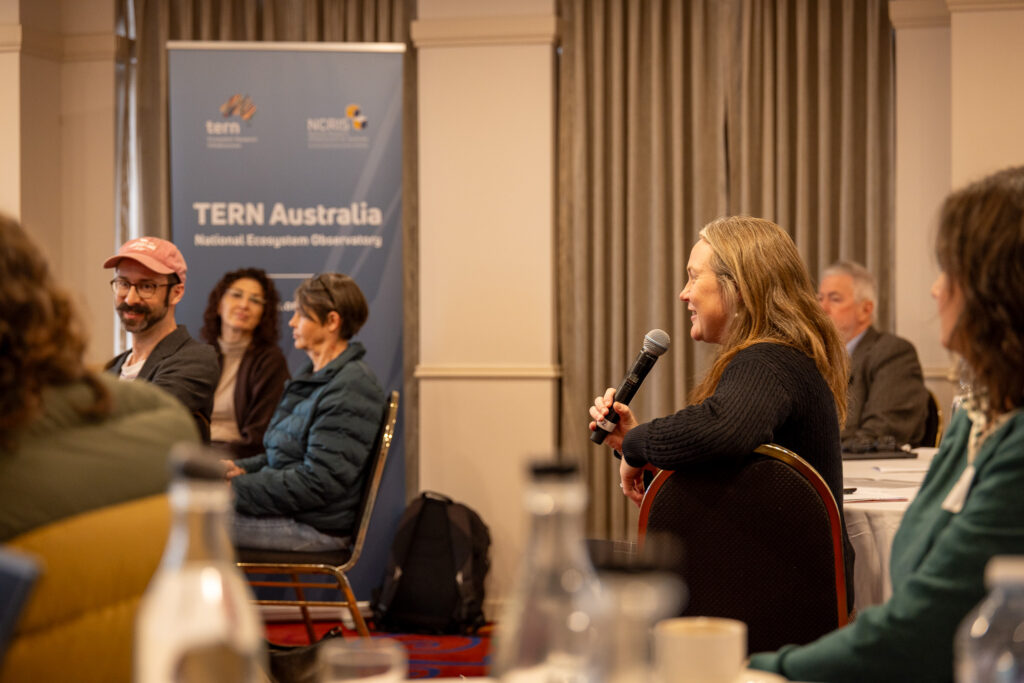
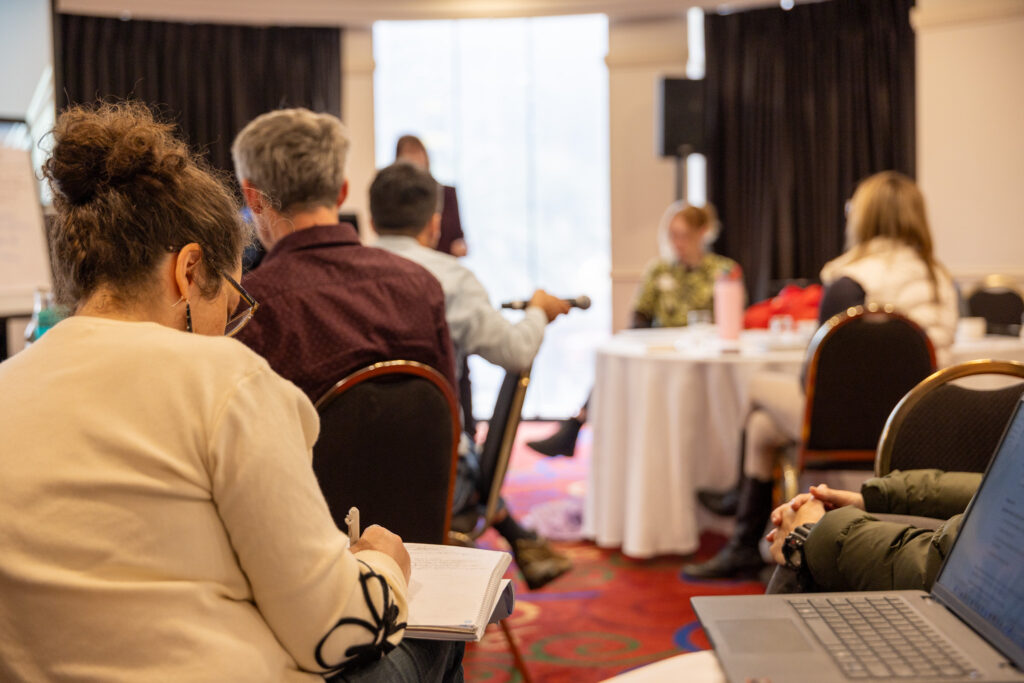
Images: Nikolas Rakotopare, TERN
In this context of national policy, attention turned to the 2026 – 31 TERN Strategic Plan, which outlines five strategic goals that position TERN as a critical component of Australia’s industry productivity, environmental decision-making and Australia’s contribution to global ecosystem science.
Having reviewed a working draft of the Strategic Plan, workshop attendees now had the opportunity to assess how the proposed Strategic Goals align with national policy frameworks and to identify any gaps in that alignment.
Moving from goals to capabilities, the first day’s final sessions involved an expert review of TERN’s Ecosystem Observatory, including presentations from representatives of each major component of TERN’s Monitoring Network to identify where we currently align with and meet national needs. These sessions also gave us space to talk about TERN’s structure and communication strategies, with a view to creating more opportunities for discussion, discovery and collaboration.
In the spirit of organisational cohesion, it was time to relax and enjoy dinner with colleagues at the Glenelg Surf Lifesaving Club, overlooking a roiling sea in Gulf St Vincent. We were joined by special guests — Dr Judy Halliday, Director of Research and Innovation at the Department of State Development, Dr Steven Love, Director of Research Infrastructure at Adelaide University, as well as Adelaide University’s Dean of Biological Sciences, Professor Bronwyn Gillanders — who took the time to venture out that evening in order to show their support for TERN and remark on its ongoing importance to the South Australian government and the University.
the skies cleared just enough for a lovely sunset
(image: F McMillan-Webster)

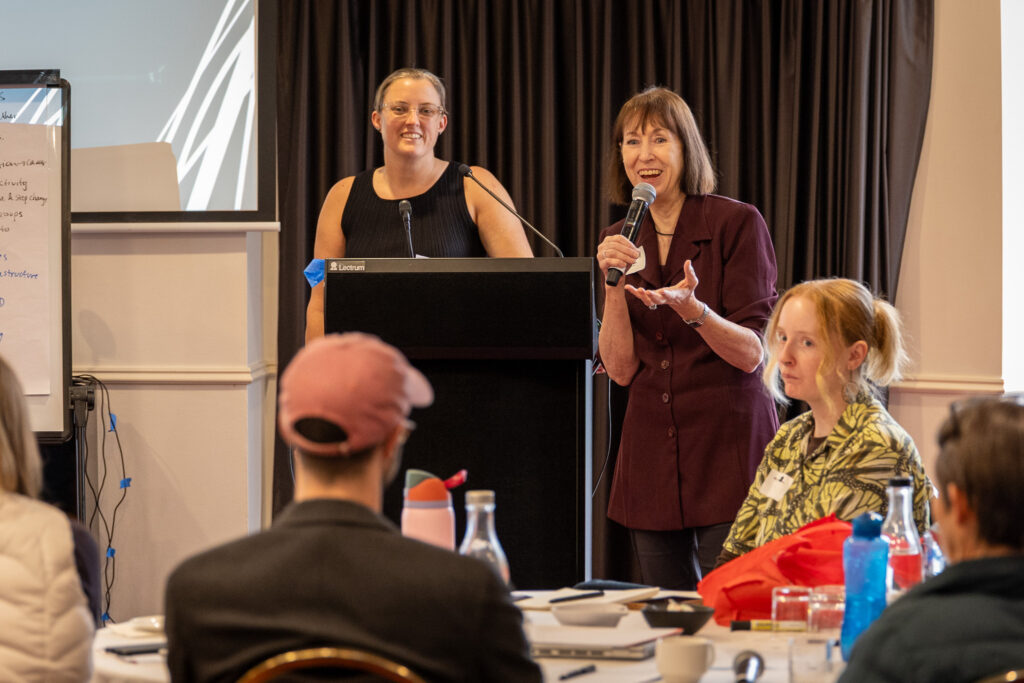
Image: Nikolas Rakotopare, TERN
A new day
Overnight, the weather eased and an early morning of low grey clouds gave way to a brighter sky. Thanks to the prior day’s intensive work, we were able to hit the ground running. It was now time to audit TERN’s core and emerging capabilities in relation to each of the proposed Strategic Goals and related objectives. To do this, participants split up into round-table discussions, quite literally. Each of the five large round tables in the room was dedicated to a specific Strategic Goal, and participants joined the table most aligned with their roles and expertise.
Soon lively discussions filled the room as each group ‘pressure tested’ their goal, interrogating TERN’s capacity to meet each of the key objectives. This included identifying organisational requirements and pertinent capabilities, as well as any structural and operational changes needed to deliver that goal. As the outcome of each brainstorming session was shared, we were able to capture insights, reflections and recommendations to incorporate into the final Strategic Plan.
As the workshop drew to a close, we took stock of what we had managed to accomplish in such a brief time. We had learned a great deal from each other. We had received ‘ground-truth’ input from group leaders, project leaders and regional ambassadors, each offering an overview of their role and their division’s remit and capabilities. There were thoughtful discussions that took careful stock of not only our primary skills and resources, but also underleveraged strengths.
Through an intensive but careful process of due diligence, we also identified dependencies, friction points, and risks, as well as risk mitigation strategies. Finally, as befitting a data-focussed organisation, we identified key metrics and KPIs that will enable us to implement the 2026-31 TERN Strategic Plan and monitor our progress toward its goals.
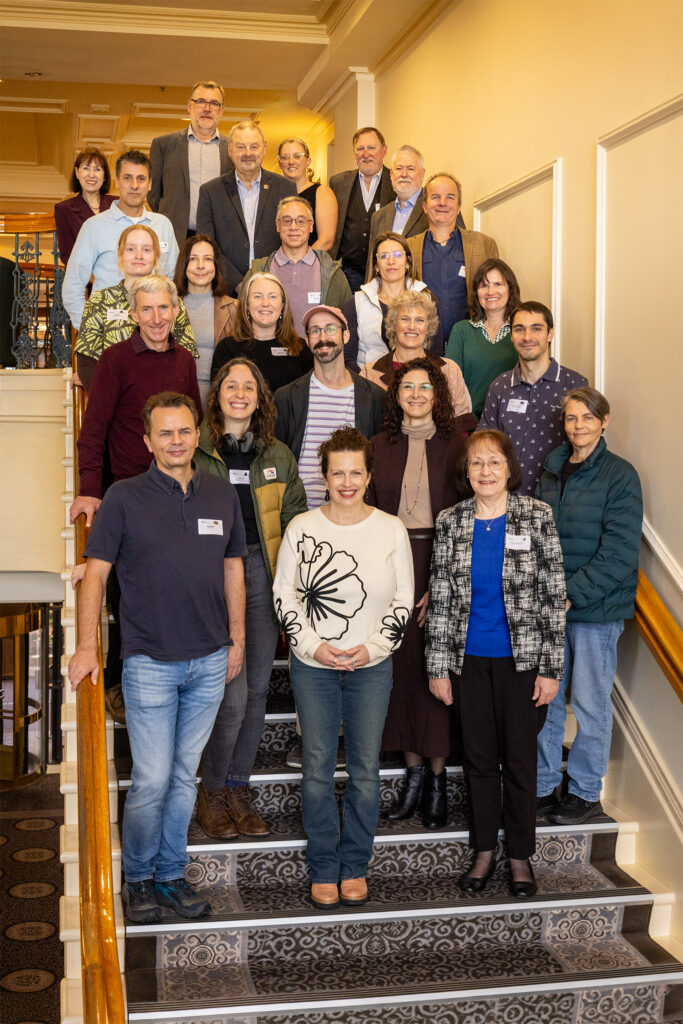
Image: Nikolas Rakotopare, TERN
Members of the Advisory Board noted how impressed they were by the expertise and engagement demonstrated throughout the Strategy Workshop, along with the level of shared knowledge and collegiality.
Soon it was time to go. As colleagues dispersed once again to far reaches of the country, we were reminded of the sheer size of our continent, and by extension, the size of our task. But in coming together as we did, we were also reminded of our shared vision, responsibility, and dedication, which are a powerful combination, indeed.
“We are the only ones out there systematically collecting long-term environmental data on a continental scale,” says Beryl. “We know what we’re doing is worthwhile and will matter in the future.”