
NatureStates
A national framework for understanding, assessing and predicting ecosystem change
NatureStates brings together ecological knowledge, conceptual models and environmental data into a nationally consistent framework for describing ecosystem dynamics and pathways of change across Australia's landscapes.
As part of a broader vision for a National Ecosystem Assessment System for Australia, NatureStates provides a foundation for ecosystem assessment, restoration planning and predicting responses to environmental change.
Understanding how ecosystems change
Australia's ecosystems are dynamic. They change in response to fire, flood, drought, land management and other disturbances.
Understanding ecosystem condition, resilience and change requires an understanding of the natural dynamics of ecosystems and pathways of modification.
NatureStates organises ecological knowledge into a hierarchical framework that:
- 1Groups similar ecosystemsAggregate Ecosystem Groups
- 2Describes natural ecosystem dynamicsArchetype models
- 3Describes pathways of ecosystem modification and restorationState-and-transition models
Together, these components provide a common language for understanding and assessing ecosystem change across Australia.
Explore Australia's ecosystem groups
Aggregate Ecosystem Groups (AEGs) are broad ecosystem types derived from Australia's National Vegetation Information System (NVIS). They provide an entry point to NatureStates resources.
Each AEG contains one or more archetype models.
The map shows the distribution of Aggregate Ecosystem Groups across Australia. Select a region on the map, or a group from the list, to see its archetype models and booklets.
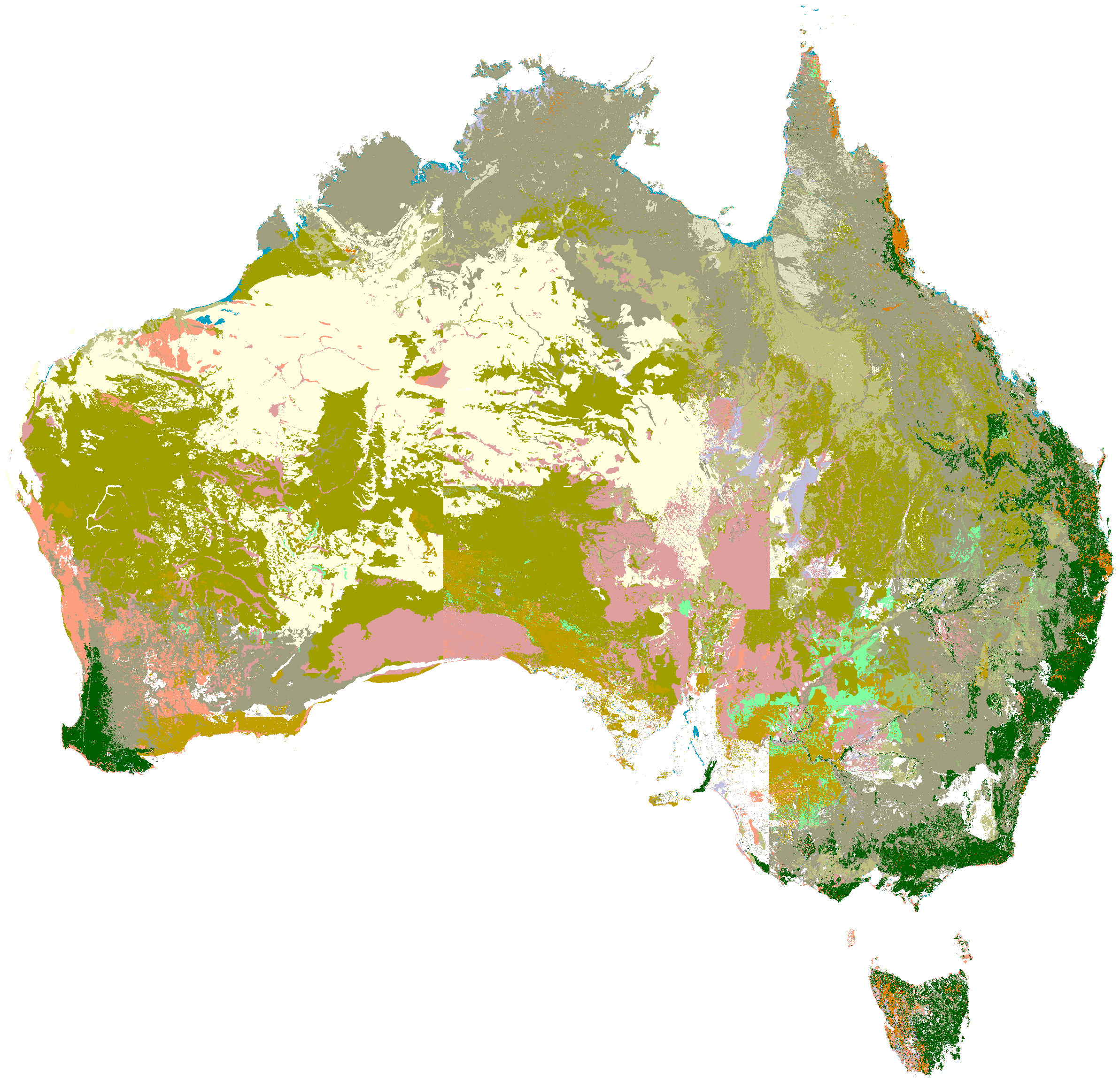
Choose an ecosystem groupSelect a coloured region on the map or a group from the list.
Map data: Richards A, Prober S, Liu N, Keith D, Newnham G, Williams K, Tetreault Campbell S, Schmidt B (2024) Spatial extent of the Australian Ecosystem Models Framework archetypes and ecosystem states at 250 m and 100 m resolution for Australia's terrestrial ecosystems: 1988 to 2022. v6. CSIRO. Data Collection. doi.org/10.25919/0es7-rk29
Ecosystem dynamics and pathways of change
Archetype models
Archetype models describe the characteristic dynamics of Australia's ecosystems, including their recovery responses following disturbances such as fire, flood, and drought.
These disturbance and recovery processes have typically operated over millennial to evolutionary timescales, including those shaped by Indigenous land management, and have influenced the adaptations of species and ecological communities.
Each archetype model represents ecosystems that share similar ecological dynamics and describes several expressions (transient variation in ecosystem characteristics) together with the drivers that influence change between them.
Show the archetype model diagramHide the archetype model diagram
State-and-transition models
State-and-transition models (STM) build on archetype models by depicting pathways of ecosystem modification and restoration associated with pressures such as land clearing, invasive species, grazing and altered disturbance regimes.
NatureStates has developed a series of nationally consistent STM templates for forests and woodlands, shrublands, and grasslands. These templates provide a common and consistent framework that can be adapted to specific ecosystems, regions and management contexts.
The templates support the development of ecosystem-specific STMs that integrate local ecological knowledge, monitoring data and management objectives.
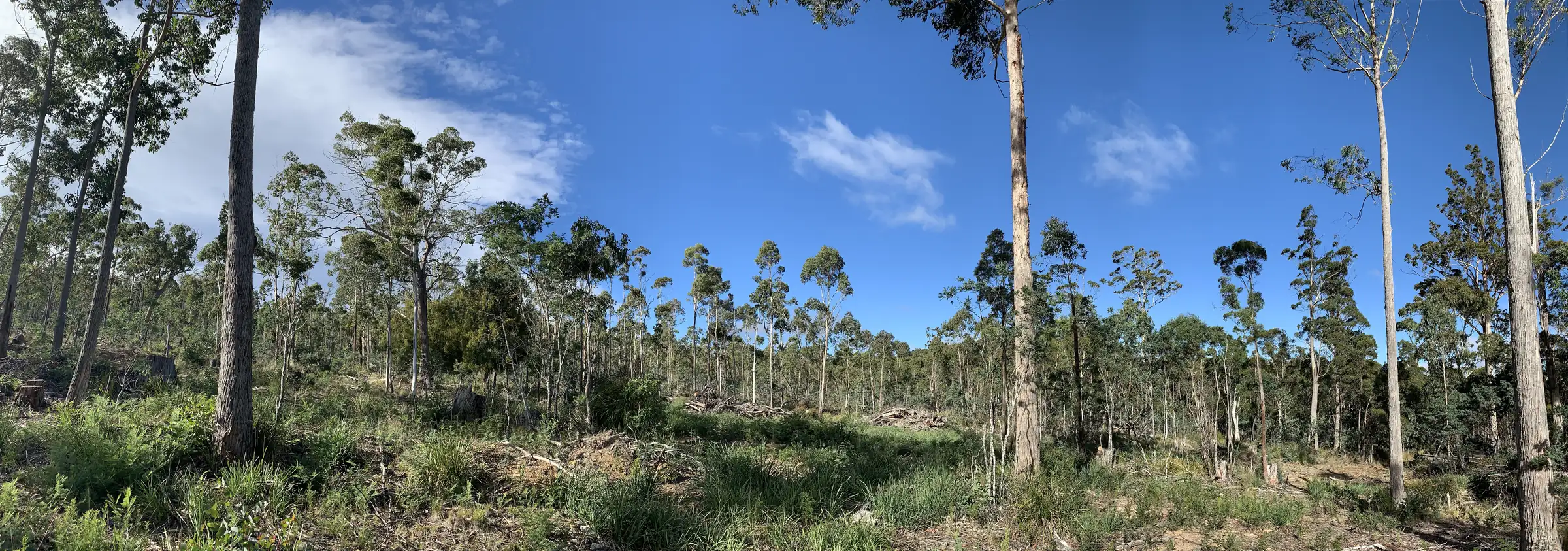
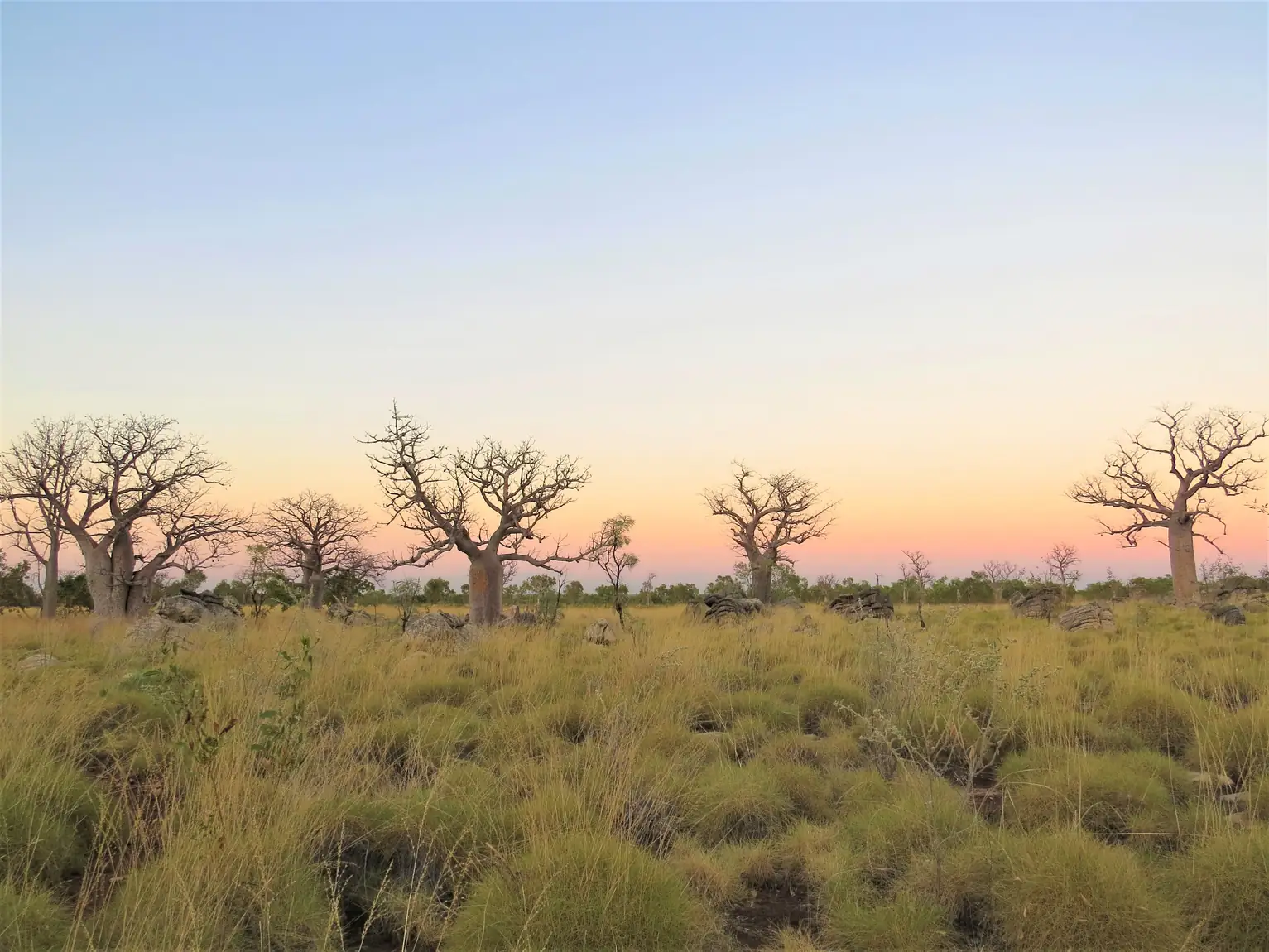
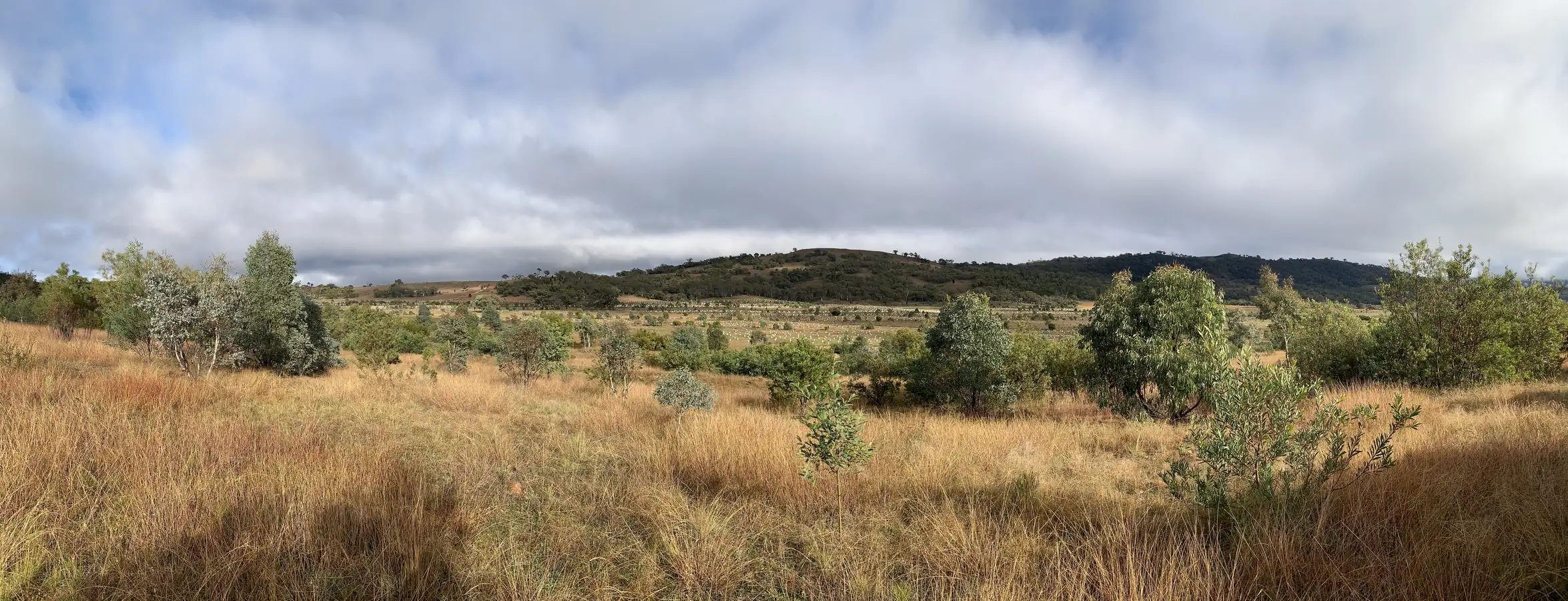
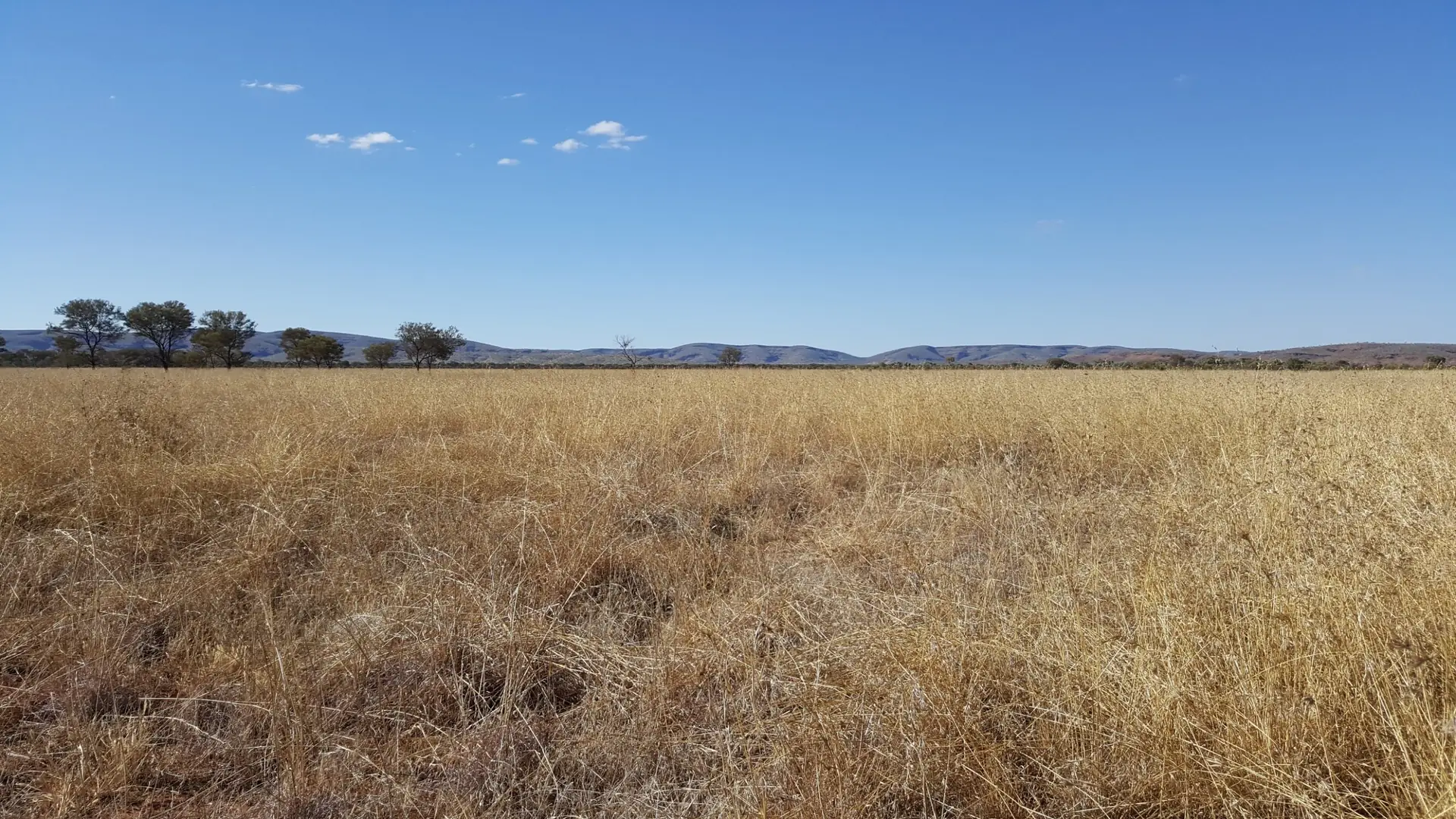
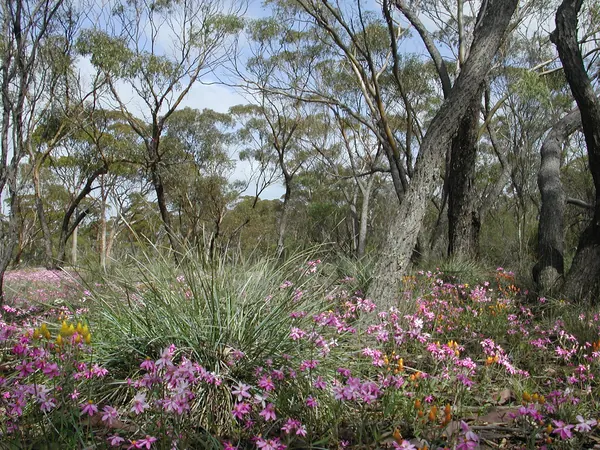
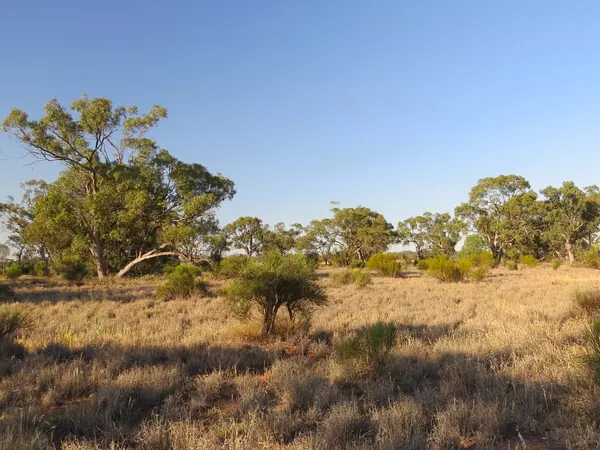
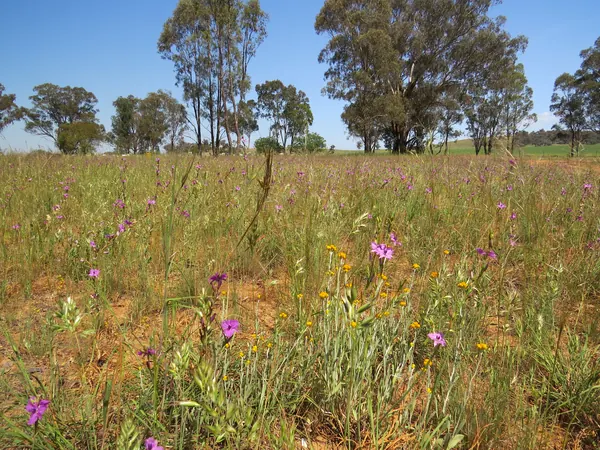
Example states: eucalypt woodlands
Hover over a photo to see the state it represents, or select it to see it larger.
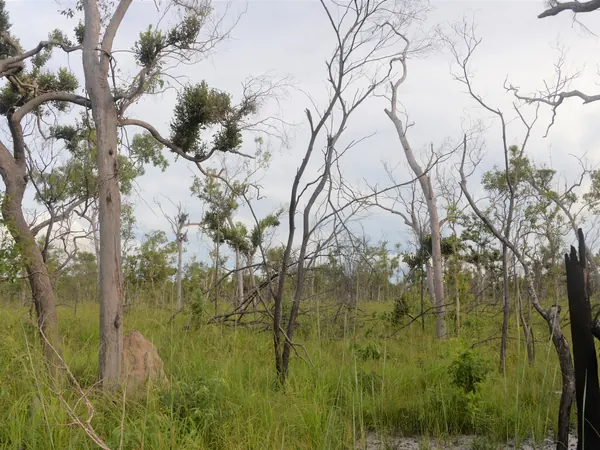
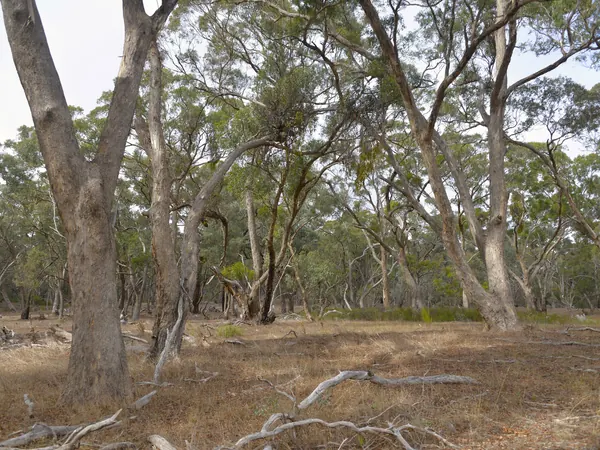
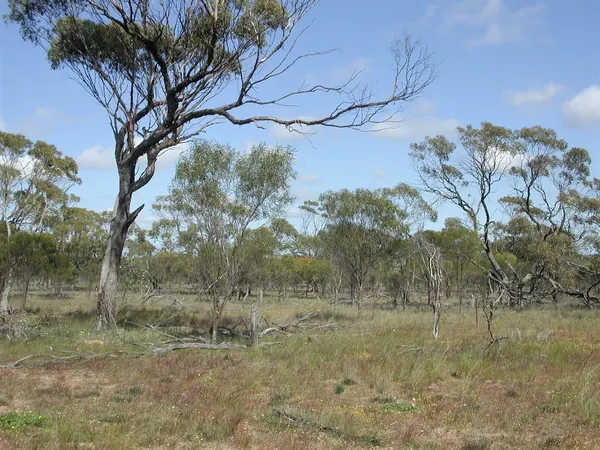
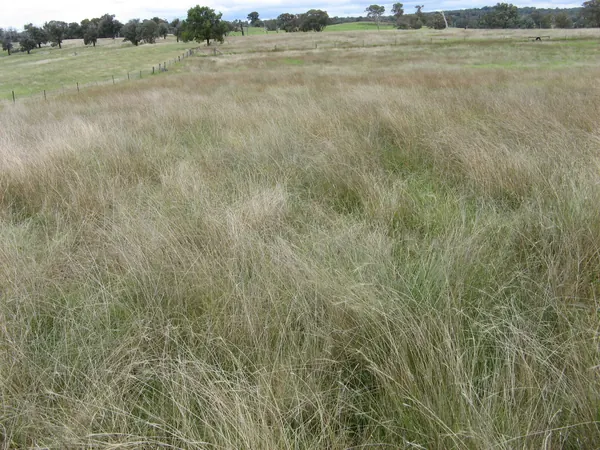
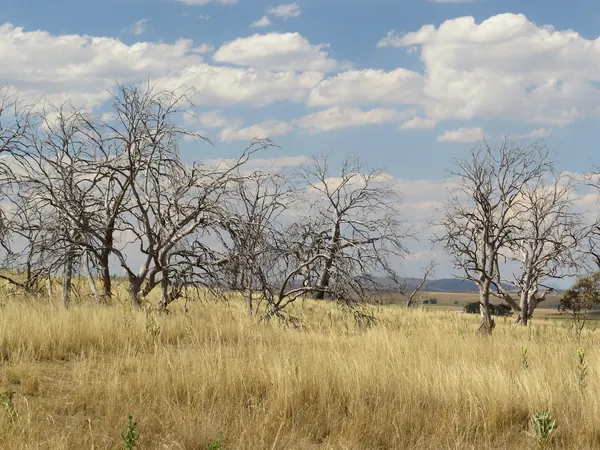
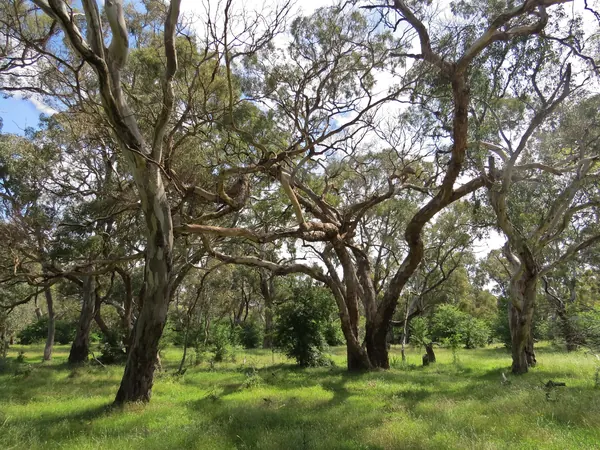
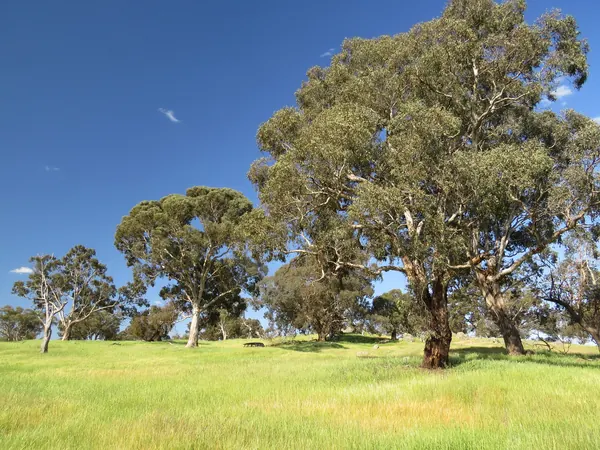
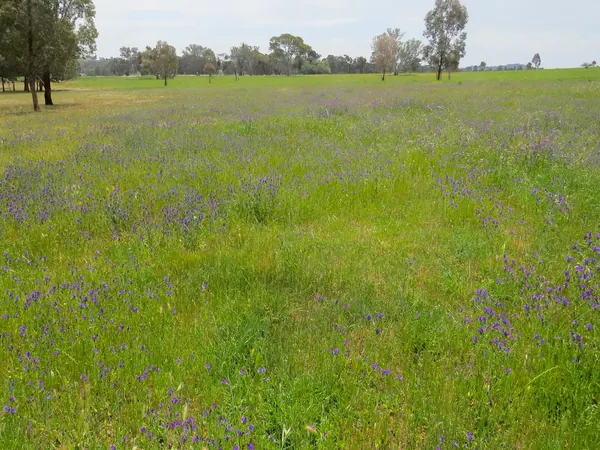
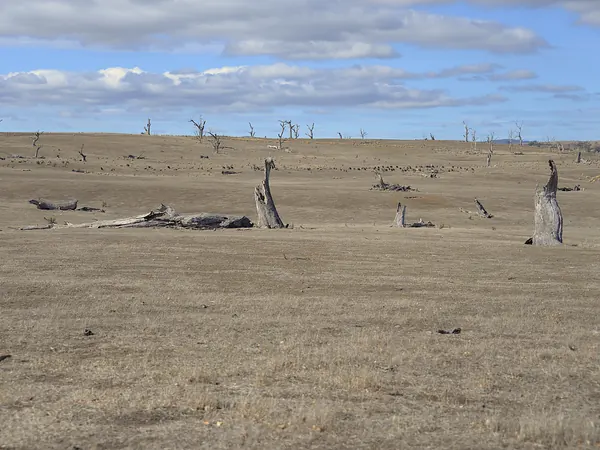
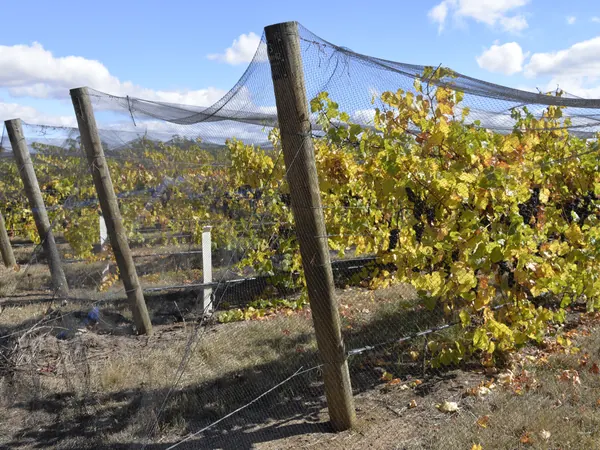
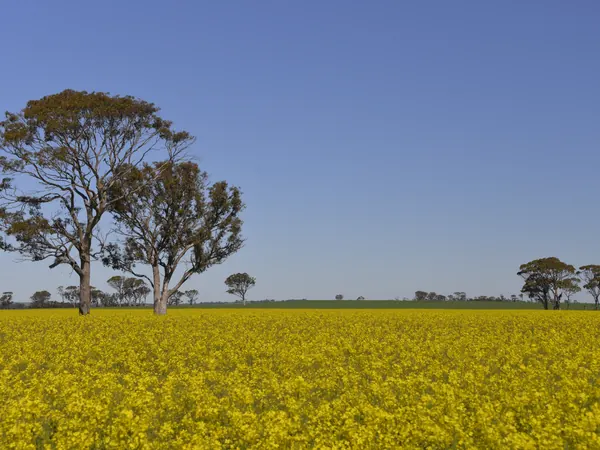
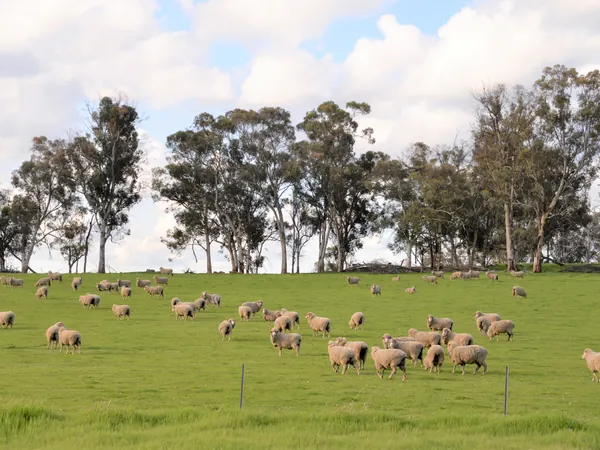
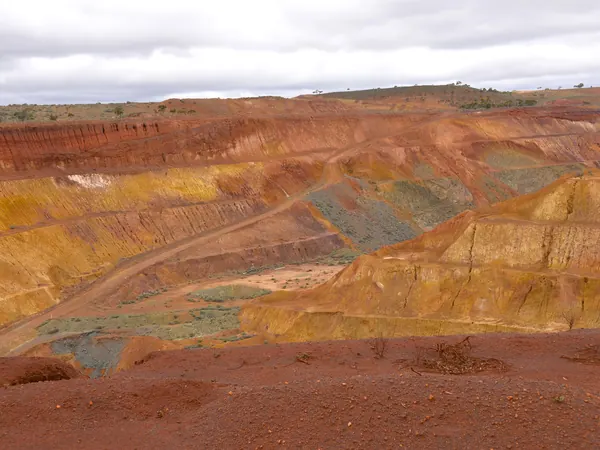
Show the state-and-transition model diagramsHide the state-and-transition model diagrams
Supporting better environmental decisions
NatureStates provides a nationally consistent knowledge framework that can support:
Nature Repair
Inform Nature Repair initiatives.
Evaluate restoration opportunities.
Examples
Accounts and Reporting
Support national ecosystem accounts.
Assess ecosystem condition consistently across Australia.
Climate Adaptation
Support climate adaptation planning.
Explore future ecosystem scenarios.
Land Management
Support decision-making across all land tenures and management contexts.
Integrate environmental monitoring and ecological knowledge.
NatureStates resources
Booklets
NatureStates archetype models are published in a series of booklets. Each booklet describes the archetype models within one AEG. Select a group to view the archetype models it contains and where available, download the booklet.
Find an ecosystem group or archetype model
Available
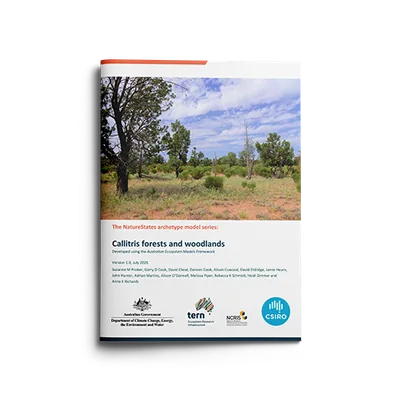 Callitris forests and woodlands
Archetype models
- Fire-intolerant Callitris forests and woodlands
- Post-fire obligate seeder Callitris forests and woodlands
Available
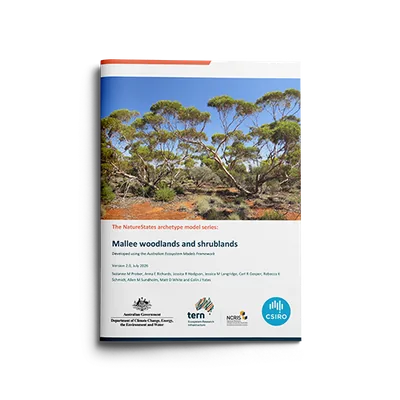 Mallee woodlands and shrublands
Archetype models
- Chenopod or tussock grass mallee
- Maalok
- Mesic heathy mallee
- Shrubby or Triodia mallee
Available
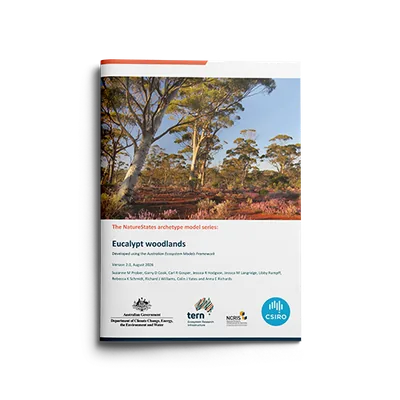 Eucalypt woodlands
Archetype models
- Floodplain eucalypt forests and woodlands
- Lowland temperate and subtropical resprouter shrub and grass eucalypt woodlands
- Obligate seeder eucalypt woodlands
- Temperate resprouter heathy eucalypt woodlands
- Sub-alpine resprouter shrub and grass eucalypt woodlands
- Wet-dry tropical eucalypt forests and woodlands
Available
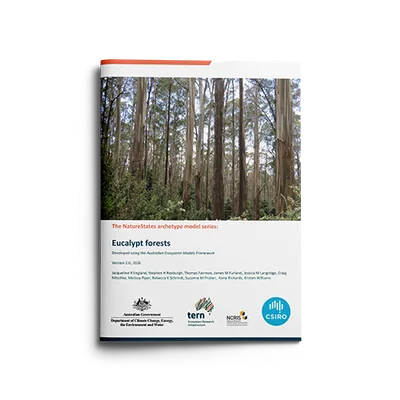 Eucalypt forests
Archetype models
- Coastal swamp sclerophyll forests
- Resprouter eucalypt forests
- Tall open obligate-seeder eucalypt forests
Available
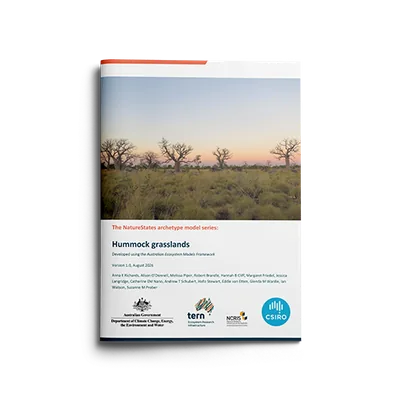 Hummock grasslands
Coming soon
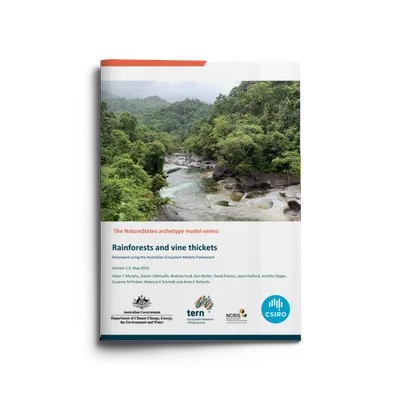 Rainforests and vine thickets
Archetype models
- Littoral rainforests and coastal vine thickets
- Semi-evergreen rainforests and vine thickets
- Tropical and sub-tropical rainforests
- Cool temperate rainforests
- Warm temperate rainforests
- Highland rainforest and scrub
Coming soon
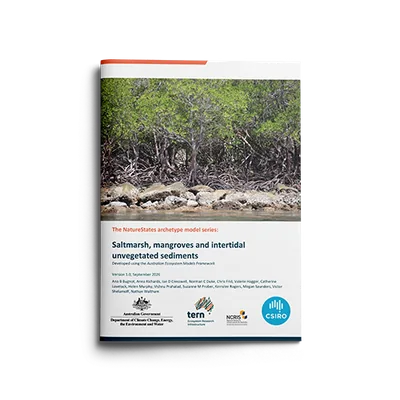 Saltmarshes, mangroves and intertidal sediments
Archetype models
- Mangrove, Saltmarsh and intertidal mudflats
Coming soon
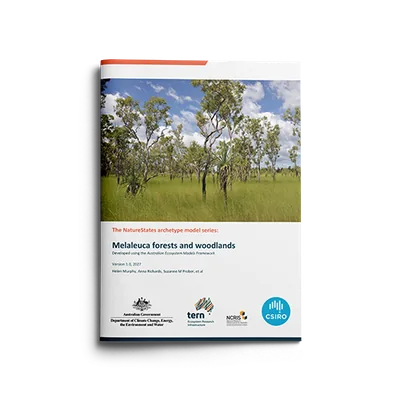 Melaleuca forests and woodlands
Archetype models
- Very wet Melaleuca forests
- Wet-dry Melaleuca forests
Coming soon
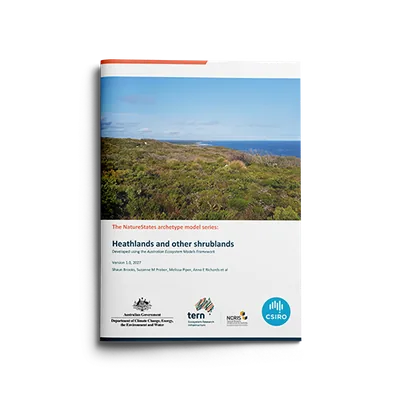 Heathlands and other shrublands
Archetype models
- Alpine heath
- Coastal heath
- Dry heathland and shrubland
- Wet lowland heath
Coming soon
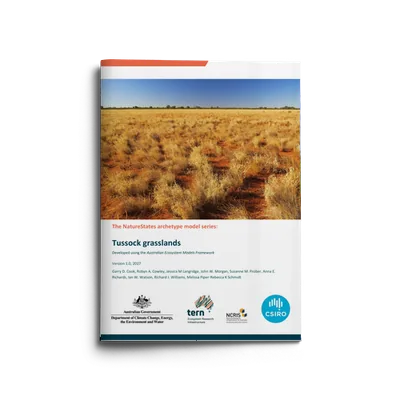 Tussock grasslands
Archetype models
- Alpine grasslands
- Coastal dune grasslands
- Temperate mesic grasslands
- Rainfall-pulse driven arid and semi-arid tussock grasslands
Coming soon
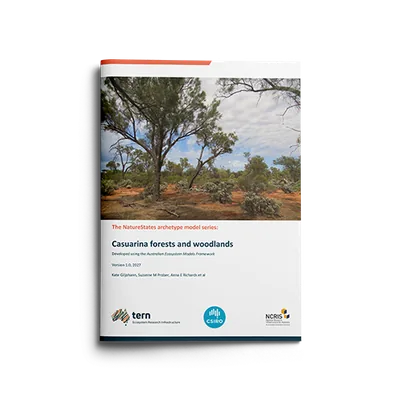 Casuarina forests and woodlands
Archetype models
- Littoral dune Casuarina woodlands
- Pulse-disturbance rainfall driven Casuarina woodlands
- Riverine Casuarina woodlands
- Swamp Oaks
Coming soon
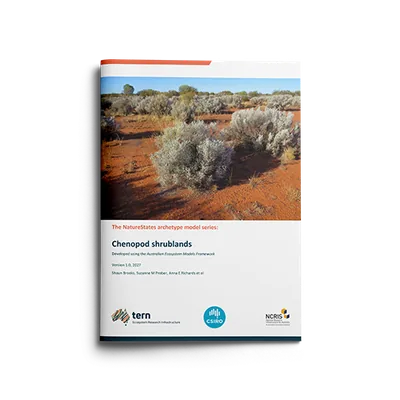 Chenopod shrublands
Archetype models
- Dryland chenopod shrublands
- Inland saline lake communities
Coming soon
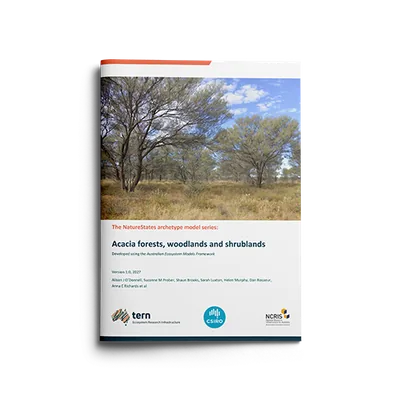 Acacia forests, woodlands and shrublands
Archetype models
- Floodplain Acacia forests and woodlands
- Pindan
- Fire-driven Acacia forests and woodlands
- Rain-driven Acacia shrublands with pyric succession
- Rain-driven, fire-promoted obligate-seeder Acacia woodlands and shrublands
- Rain-driven resprouter Acacia forests and woodlands
- Fire-intolerant Acacia woodlands
A collaborative national effort
NatureStates combines expertise from TERN, CSIRO, domain experts, ecological modellers, monitoring specialists, Indigenous knowledge contributors and ecosystem assessment practitioners.
Featured researchers

Suzanne Prober

Anna Richards

Alison O'Donnell

Kristen Williams

Melissa Piper
Other contributing experts
Publications
Archetype booklets
- SeriesThe NatureStates archetype model seriesBrowse booklets
State-and-transition model templates
- PreprintTowards comparability among state-and-transition models: A set of generalised templates linked to ecosystem conditionDOI
- 2026Ecological Knowledge System: National ecosystem states template for the Nature Repair Market - Forests and woodlands. Version 1.0DOI
- 2026Ecological Knowledge System: National ecosystem states template for the Nature Repair Market - Shrublands. Version 1.0DOI
- 2026Ecological Knowledge System: National ecosystem states template for the Nature Repair Market - Grasslands. Version 1.0DOI
Guidance
Technical reports
Contribute to NatureStates
Interested in contributing ecological knowledge, testing models or exploring applications?
Opportunities include expert review, collaboration, regional STM development, ecosystem assessment partnerships, research projects and application testing.