Tools that support the discovery, analysis and re-use of data
- Cloud-based virtual desktop to run and share experiments (CoESRA)
- Data submission, harmonisation and retrieval of ecological data (SHaRED)
- Discovery, mapping and analysis of landscape-scale ecosystem datasets (Data Visualiser)
- Cloud-based analysis, synthesis and training platform

Open data
Long-term preservation and open access for ecosystem and biophysical data via the TERN Data Discovery Portal
- Continental-scale gridded remote sensing, soil and landscape products
- Plot-based soil and vegetation surveillance monitoring data
- Aggregated state government survey data
- Calibration and validation data for remote sensing
- Time series flux tower, phenocam and acoustic monitoring sensor data
Data
Infrastructure
Tools that support the discovery, analysis and re-use of data
- Cloud-based virtual desktop to run and share experiments (CoESRA)
- Data submission, harmonisation and retrieval of ecological data (SHaRED)
- Discovery, mapping and analysis of landscape-scale ecosystem datasets (Data Visualiser)
- Cloud-based analysis, synthesis and training platform

Standard Methods, Protocols
& Collections
Services that facilitate research, education and management
- Catalogued plant and soil sample collection
- Nationally consistent field methods
- Guidelines for calibration and validation of remotely-sensed data
- Field data collection apps

Site-Based Instruments
& Monitoring
A network of ecosystem monitoring sites and sensor data streams available to long-term researchers
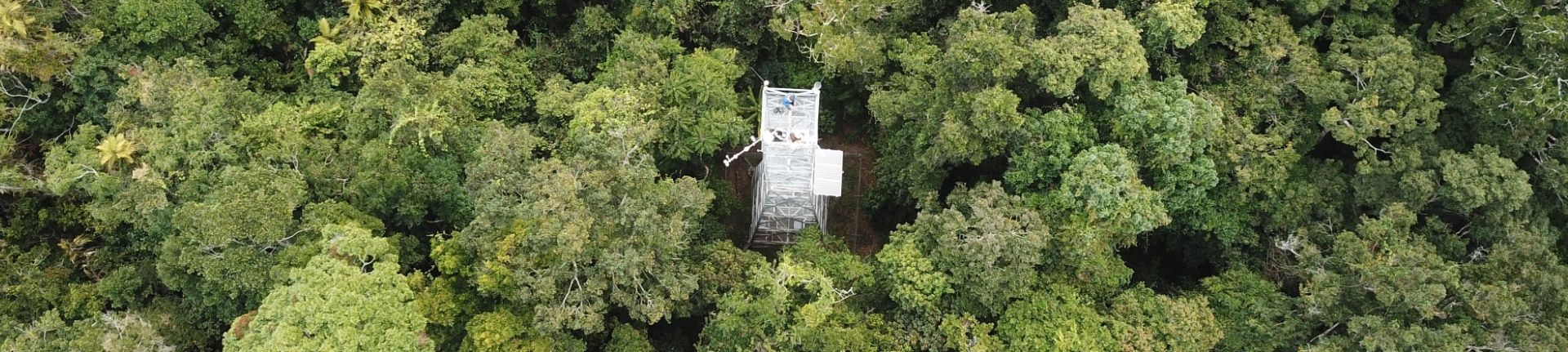
- Eddy covariance flux towers; Heat flux plates; Radiometers; Anemometers; Infrared Gas Analysers; Spectrometers; CosmOz soil moisture meters; Groundwater bores; Ecoacoustic sensors; Phenocams; Terrestrial laser scanners; UAV/drones; Camera traps; Photopoints and more.
Open Data
Open access ecosystem data via the TERN Data portal
- Continental-scale gridded remote sensing, soil and landscape products
- Plot-based soil and vegetation surveillance monitoring data
- Aggregated state government survey data
- Calibration and validation data for remote sensing
- Time series flux tower, phenocam and acoustic monitoring sensor data
Data Infrastructure
Tools that support the discovery, analysis and re-use of data
- Cloud-based virtual desktop to run and share experiments (CoESRA)
- Data submission, harmonisation and retrieval of ecological data (SHaRED)
- Discovery, mapping and analysis of landscape-scale ecosystem datasets (Data Visualiser)
- Cloud-based analysis, synthesis and training platform
Research & Management Tools
Services that facilitate research, education and management
- Catalogued plant and soil sample collection
- Nationally consistent field methods
- Guidelines for calibration and validation of remotely-sensed data
- Field data collection apps
Site-Based Research Equipment
A network of ecosystem monitoring sites and sensor data streams available to long term researchers
- Eddy covariance flux towers; Heat flux plates; Radiometers; Anemometers; Infrared Gas Analysers; Spectrometers; CosmOz soil moisture meters; Groundwater bores; Ecoacoustic sensors; Phenocams; Terrestrial laser scanners; UAV/drones; Camera traps; Photopoints; & more…
WE HAVE MORE THAN:
observing sites
collections
international partners
for datasets
using TERN data
samples
If you’d like to make an enquiry to TERN, you can call us on 07 3365 9097, email the research team at tern@uq.edu.au, or submit your enquiry online.
Get the TERN Newsletter
Project updates, data releases, research findings, and users stories direct to your inbox.