


A new report from Lateral Economics estimates that Australia’s national environmental research infrastructure delivers more than $1.5 billion per year in scientific, economic and societal benefits.
Commissioned by 15 Integrated Earth research infrastructure facilities, the study presents an integrated assessment of the collective value of Australia’s major environmental research infrastructure facilities. These facilities—supported primarily through the National Collaborative Research Infrastructure Strategy (NCRIS)—enable cutting-edge research, underpin government policy, and support industry.
The value delivered includes:
- Environmental and farm system management through improved monitoring, modelling, and decision-making
- National resilience in responding to climate change, natural hazards, and resource pressures
- Industry innovation by enabling new tools, technologies, and productivity gains
- Scientific advancement through publications, data infrastructure, and global collaboration
The report found an average benefit-cost ratio of 6.8 for NCRIS environmental research infrastructures, meaning that every $1 invested generates $6.80 in benefits. These facilities may effectively pay for themselves—with the economic activity generated returning more than one dollar in tax revenue for every dollar of public funding invested, while also delivering broader community benefits.
Detailed case studies reinforce the strong return on investment, including:
- Atlas of Living Australia (ALA): improved data access, policy support, and biodiversity outcomes
- Australian Plant Phenomics Network (APPN): significant agricultural productivity gains, including water savings and crop improvement
- Terrestrial Ecosystem Research Network (TERN): enhanced ecosystem monitoring, carbon accounting, and land management
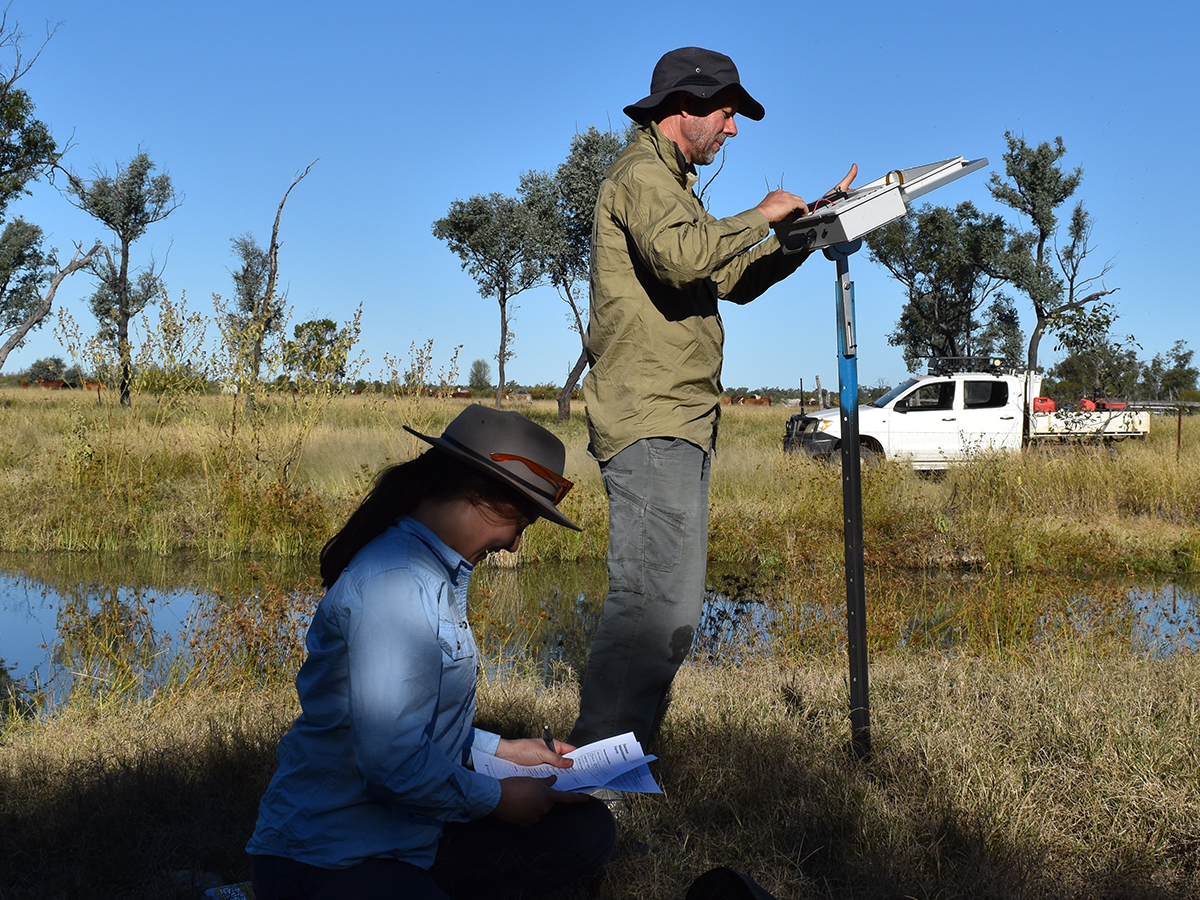
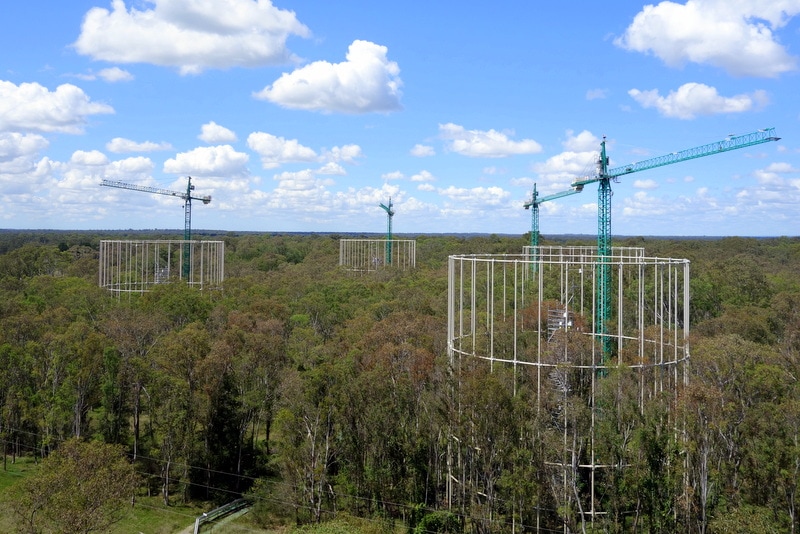
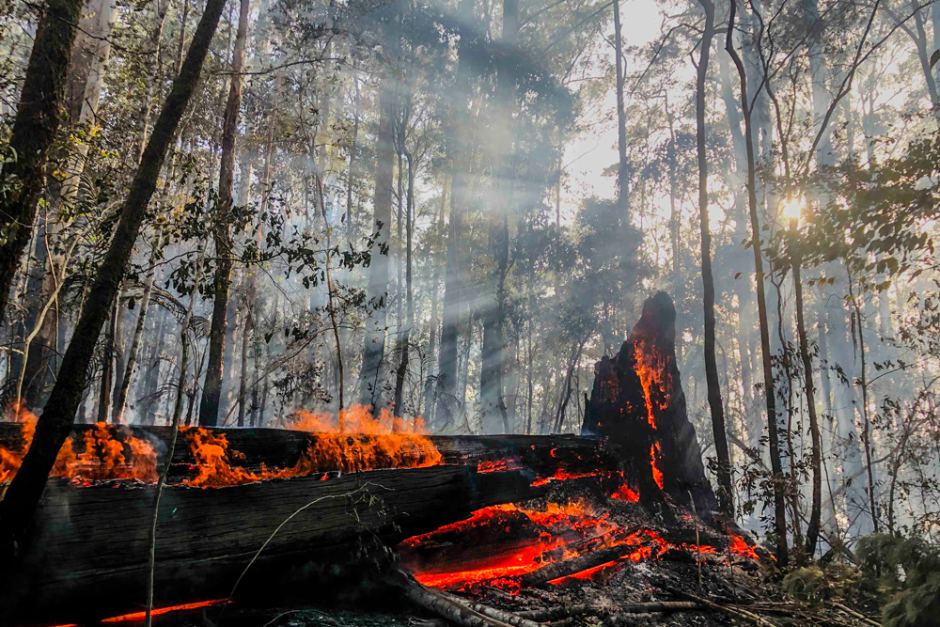
TERN Australia’s long term monitoring data on biodiversity, land management, carbon accounting and ecosystem resilience enable cutting-edge research, underpins government policy and supports industry. (Images: TERN)
Each case demonstrates substantial economic and societal value, with benefit–cost ratios ranging from approximately 3.8 to 7.0.
“This impact assessment is an important step in quantifying the value and impact of our national research infrastructure after over a decade of operation – understanding their national role, economic return and key beneficiaries helps us better plan for the next decade,” ALA Director, Dr Andre Zerger, said.
“These facilities collaborate across science, industry and government to ensure national investments deliver maximum scientific, economic and societal value,” TERN Director, Dr Beryl Morris, said.
The report used an OECD methodology based on Core Impact Indicators (CIIs) covering scientific outcomes (e.g., publications and citations), innovation impacts (e.g., industry collaborations), educational outreach, support for public policy, economic contributions, and sustainability
“It’s always a challenge to quantify the benefits of research infrastructure given their non-linear outcomes, time lags, direct and indirect impacts, diversity, broad societal impacts and the many outcomes produced by users and this study has delivered that,” APPN Director, Dr Richard Dickmann, said.
“It’s all too easy for the infrastructure to operate in the background, but they’re what powers our nationally important research breakthroughs, science impact and everyday societal benefits.”
“There is a strong emphasis on collaboration and interconnectedness among our national environmental research infrastructures, and other NCRIS organisations, fostering new research projects and knowledge and addressing gaps in data or services for researchers,” APPN Director, Dr Richard Dickmann, said.
One of the key assets generated is data. Aggregated and curated data were consistently highlighted as significant and enduring assets, growing in value through time, for the research community, government, and industry. For example, accessible, high-quality biodiversity data powers environmental management, biosecurity monitoring, and threatened species conservation.
Examples of benefits delivered
Facility | Domain | Example |
Earth and geospatial monitoring | AuScope’s investment in geodesy has enabled a step-change in Australia’s national positioning capability, forming the backbone of Geoscience Australia’s National Positioning Infrastructure (NPI) and Satellite-Based Augmentation System (SBAS) services. By delivering a continent-wide network of GNSS stations, AuScope has underpinned a transition from metre-level to centimetre-level positioning accuracy—transforming how Australia measures, manages, and moves within its environment. | |
National biosecurity surveillance | ALA has leveraged its core biodiversity data systems to establish a national biosecurity alerts service that notifies Commonwealth, state and territory, and local authorities when priority species are detected in the ALA —accelerating invasive-species detection and response. | |
Trusted access infrastructure | AAF enables secure and trusted access at scale across Australia’s environmental research ecosystem, reducing access friction, and empowering multidisciplinary research that accelerates solutions to critical environmental challenges and supports environmental resilience. | |
Climate and weather | ACCESS-NRI developed and supports new software (ACCESS-rAM3), to enable regional-scale climate and weather research across the nation. These models show local-scale processes critical for understanding extreme weather, water security and climate change impacts in Australian communities. | |
Data and digital research infrastructure | Within the ARDC’s Planet Research Data Commons, Open Ecoacoustics addresses a frequent pain point for researchers—ie cheap environmental audio recorders generate massive volumes of data that need processing to guide conservation management. AI-powered birdcall recognisers are reducing weeks of data processing time down to hours. Citizen scientists are helping verify AI call recognisers; for example, verifying 10,000 Powerful Owl calls in a few months. | |
Agricultural productivity | APPN supported research optimised production, yields and inputs to drive sustainable agriculture. “Arducrop” technology has saved irrigation water while new wheat LMA fault screening has increased breeding efficiency. The net benefit is estimated at more than $100m/year. | |
Sustainable cities and resilient communities | AURIN supports research addressing nationally significant challenges such as the impact of urban heat (Australian Environmental Health platform) and the housing crisis (Housing Analytics Lab). | |
Ocean observing | IMOS provides critical inputs to national and international weather and ocean forecasting systems that underpin maritime safety, support sustainable resource management, inform national State of the Environment reporting, and contribute to climate change assessments. | |
Marine monitoring and research | The MNF generates critical data for satellite calibration, long-term observations, and global models to support evidence-based policy, ecosystem stewardship and climate research. These data contribute to national and international programs including the Australian Government’s AusSeabed, the Ocean Biodiversity Information System (OBIS) and Intergovernmental Panel on Climate Change (IPCC) assessments. | |
Computing | By co-locating advanced computing infrastructure with curated national datasets, NCI reduces duplication and overcomes standardisation challenges for Earth and Environment researchers. In Q3 2025, Earth and Environment projects consumed 40.5% of NCI’s compute capacity (around 1 billion core hours) and 60% of its long-term data storage (more than 36 petabytes). Together, NCI and the Pawsey Centre provide the computer and data infrastructure for modelling that underpins Australia’s climate-risk assessment and adaptation planning. | |
Environment and climate adaptation | SeaSim supports research into reef restoration and adaptation to reduce coral bleaching, improve coral thermal resilience and develop scalable coral aquaculture. This world leading research underpins future restoration of the Great Barrier Reef, helping protect the substantial economic, environmental and social value generated by a healthy reef. | |
Marine and coastal environmental monitoring | SCRVF provides essential access to dedicated coastal research vessels and specialist marine crews through an annual call for approximately 50 days of funded sea time, enabling researchers to monitor and better understand Australia’s southern coastal waters and collect data that supports environmental, biodiversity and climate-related research. | |
Earth observation | TERN Supersites are formally recognised by the Committee on Earth Observation Satellites (CEOS) as international land-product validation sites, supplying gold-standard ground truth for the calibration and validation of Earth-observation products worldwide. |
National research infrastructure
As Australia faces increasing environmental and economic challenges, the report underscores the importance of sustained investment in national research infrastructure.
By enabling collaboration, innovation, and evidence-based decision-making, our national environmental research infrastructure facilities are positioned as a cornerstone of Australia’s research and innovation system.
Feature image: view from the top of the Eddy covariance flux tower at TERN’s Wombat Stringybark Eucalypt SuperSite in Victoria (image: S. Arndt)